20 Tips for Better Portrait Photography
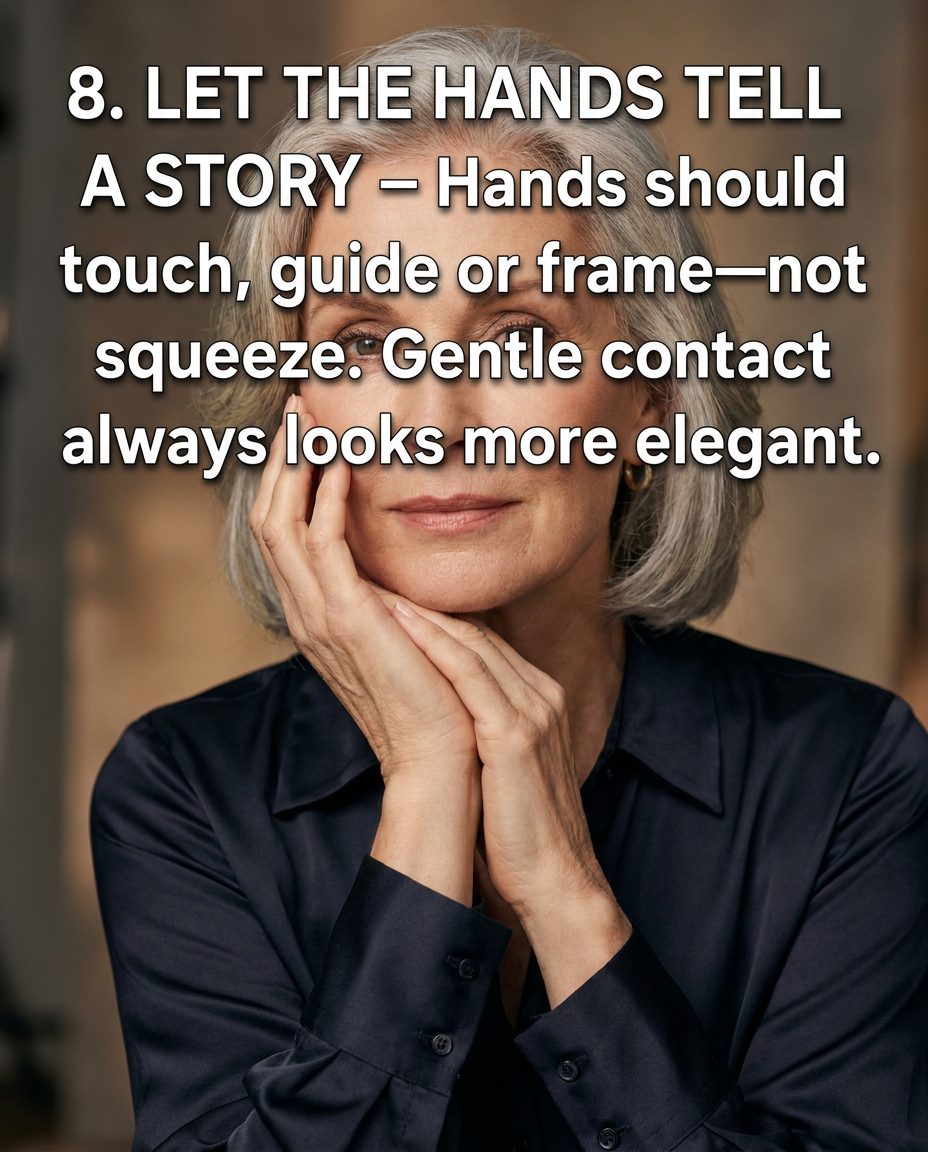
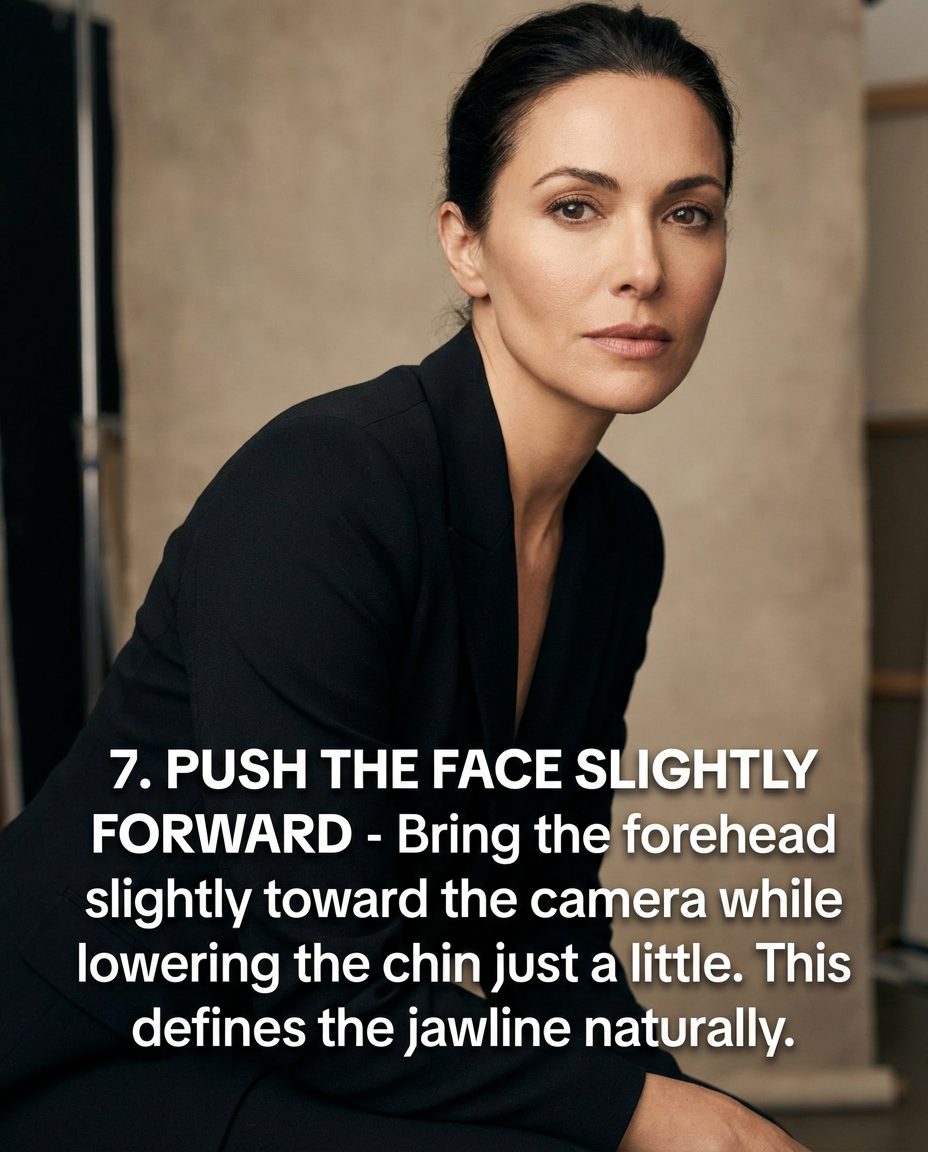
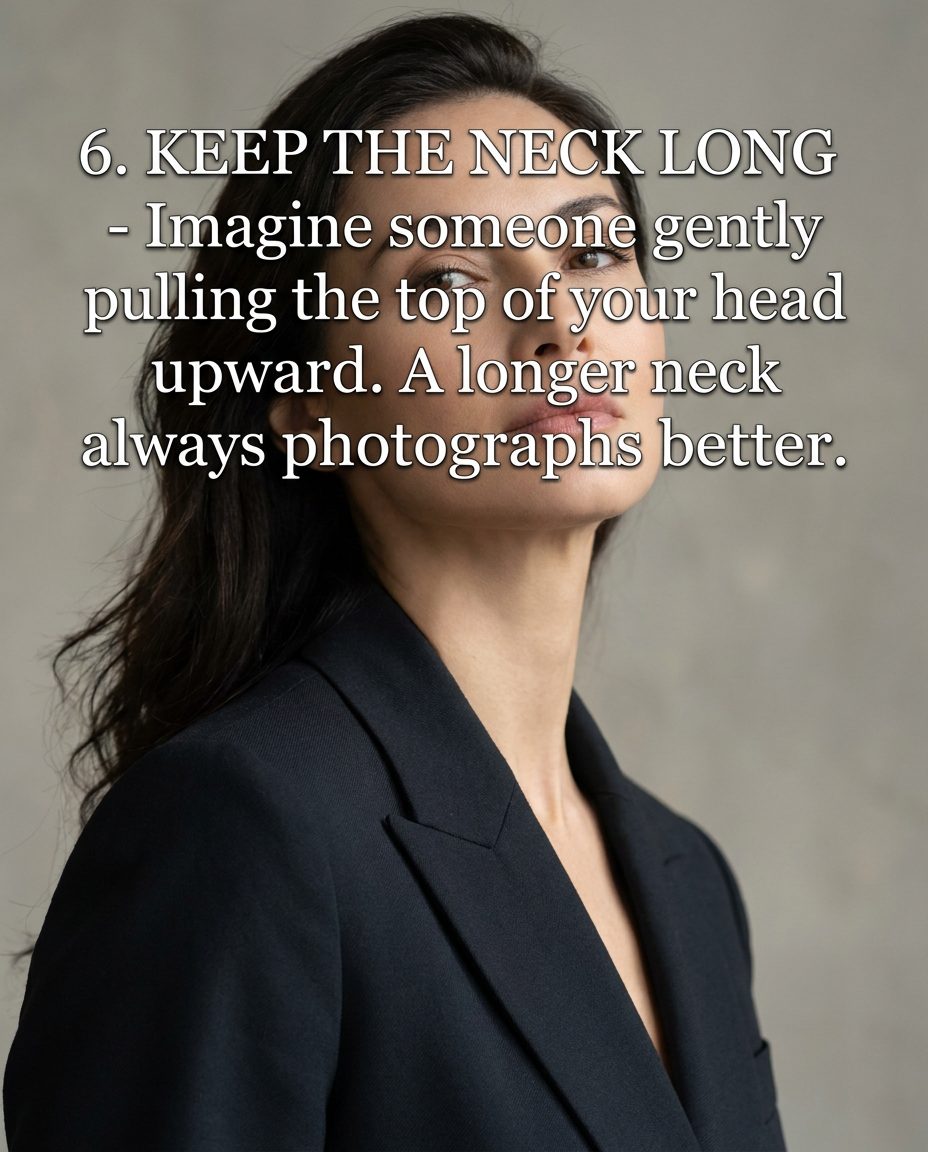
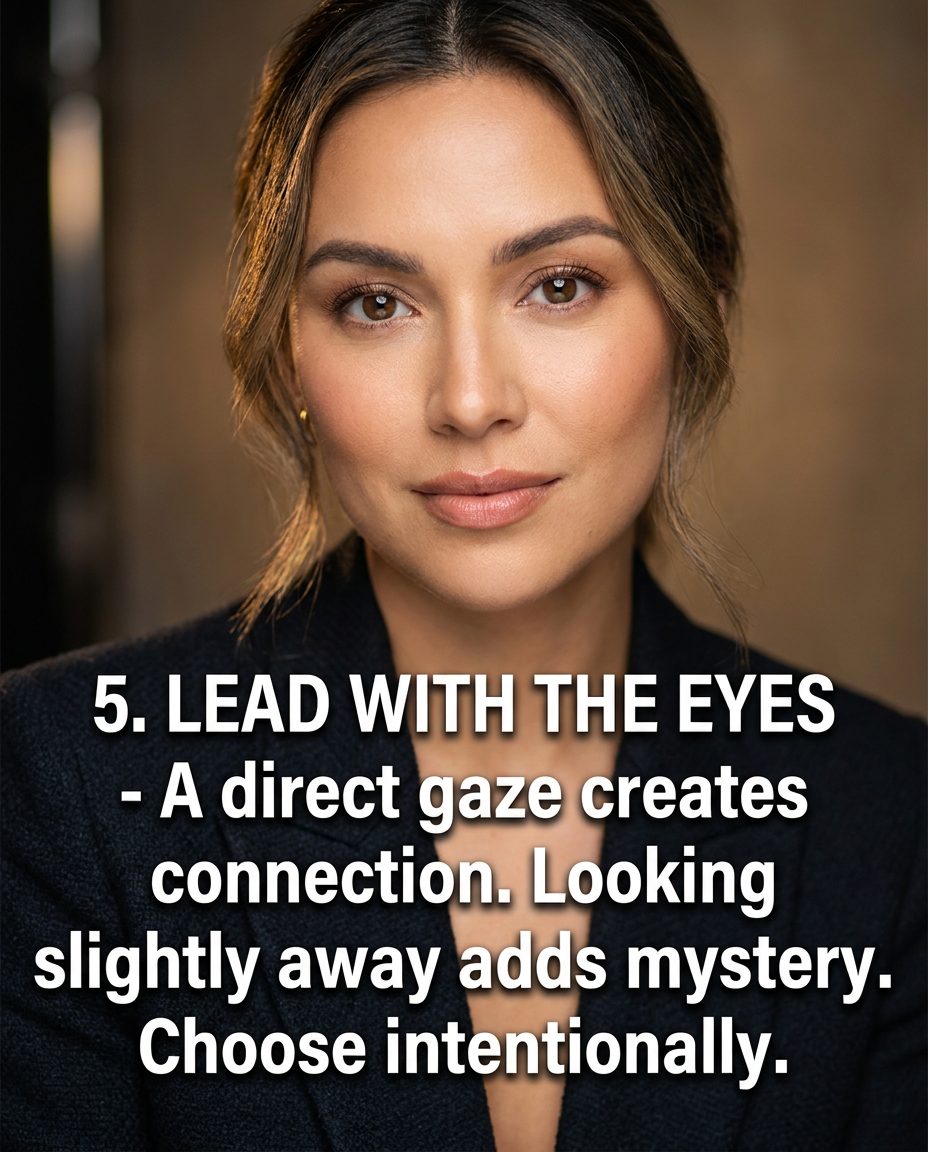
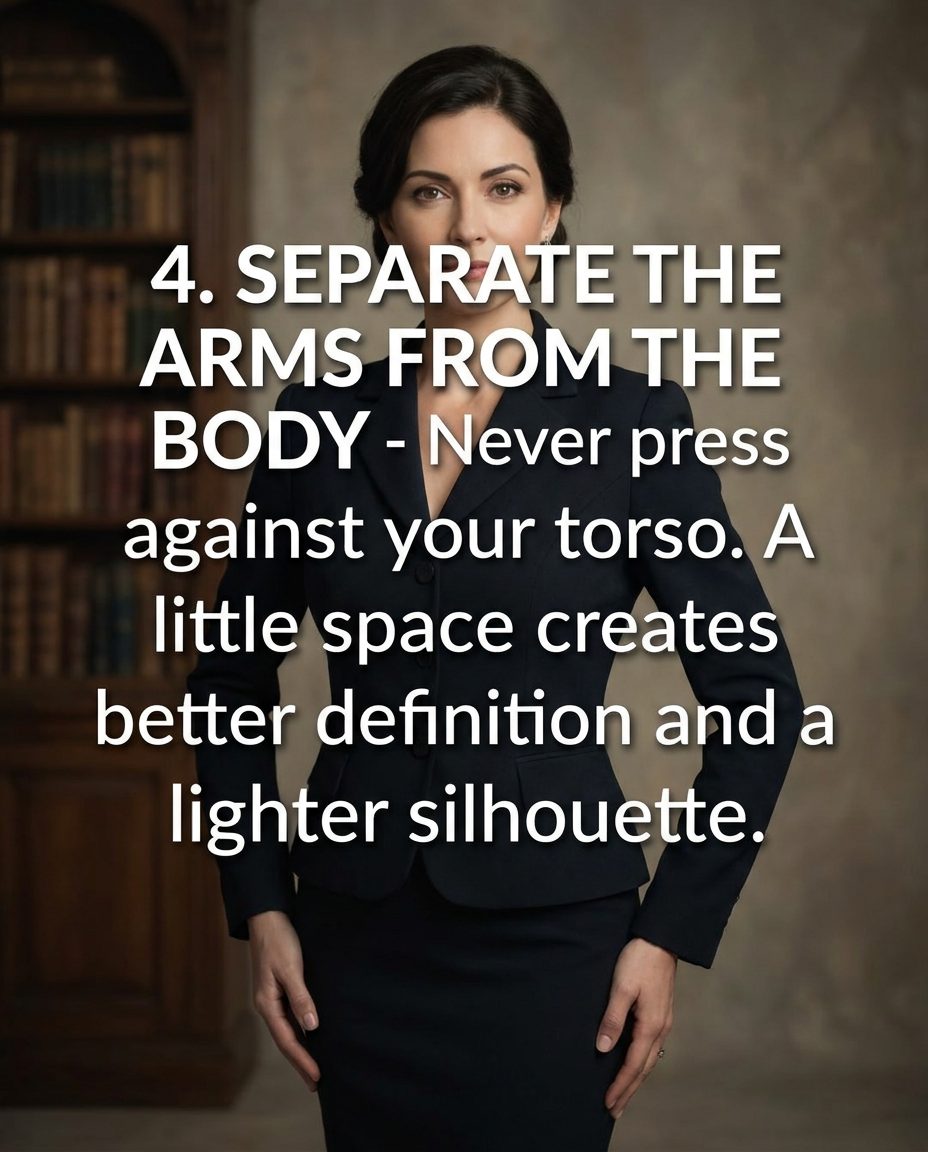
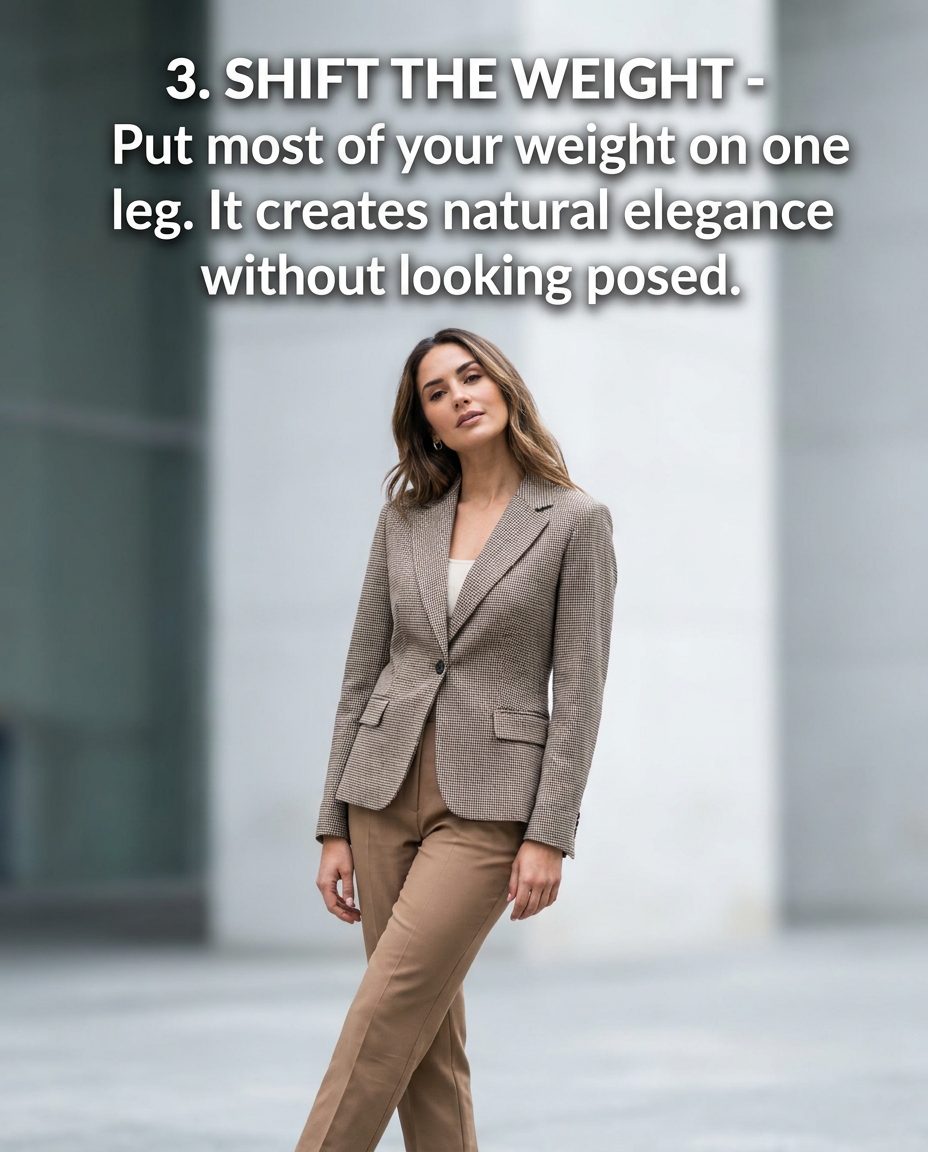
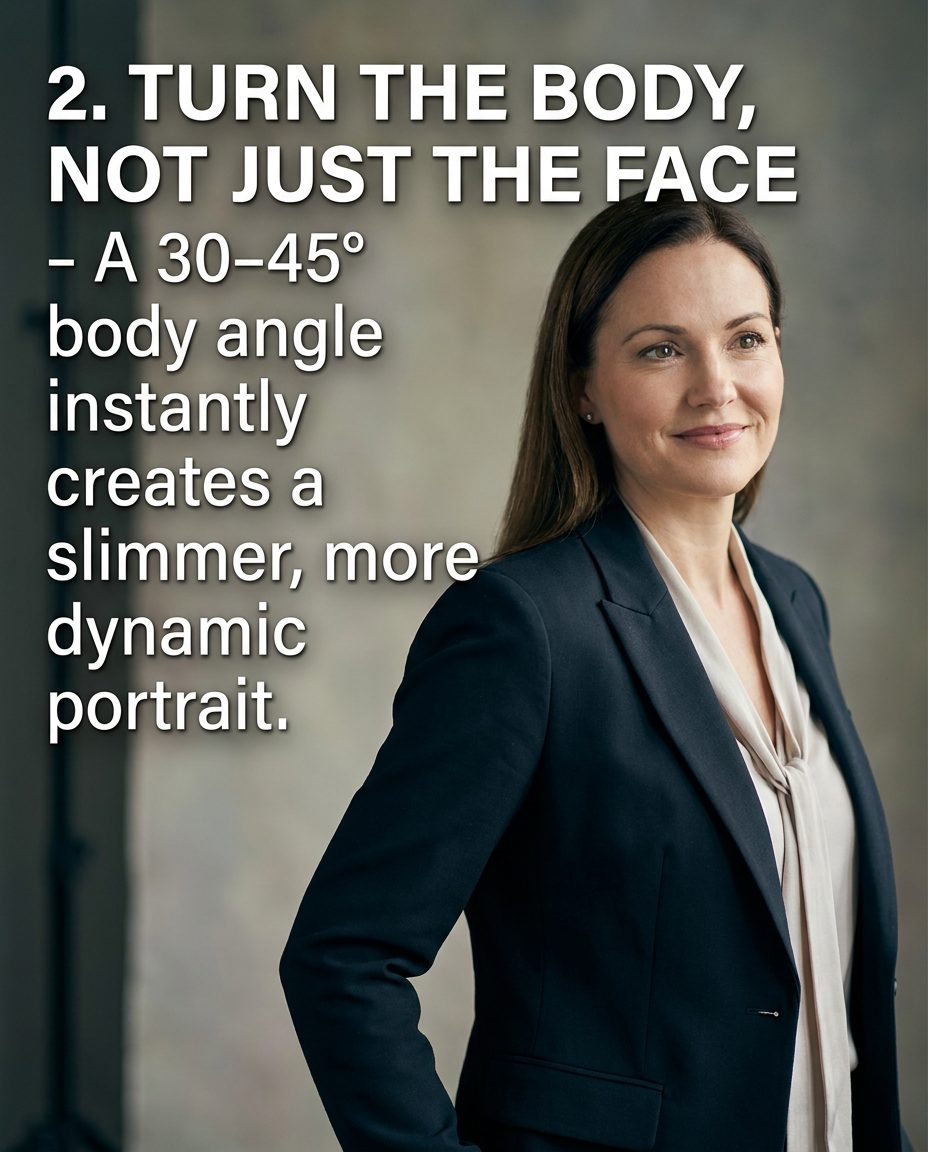
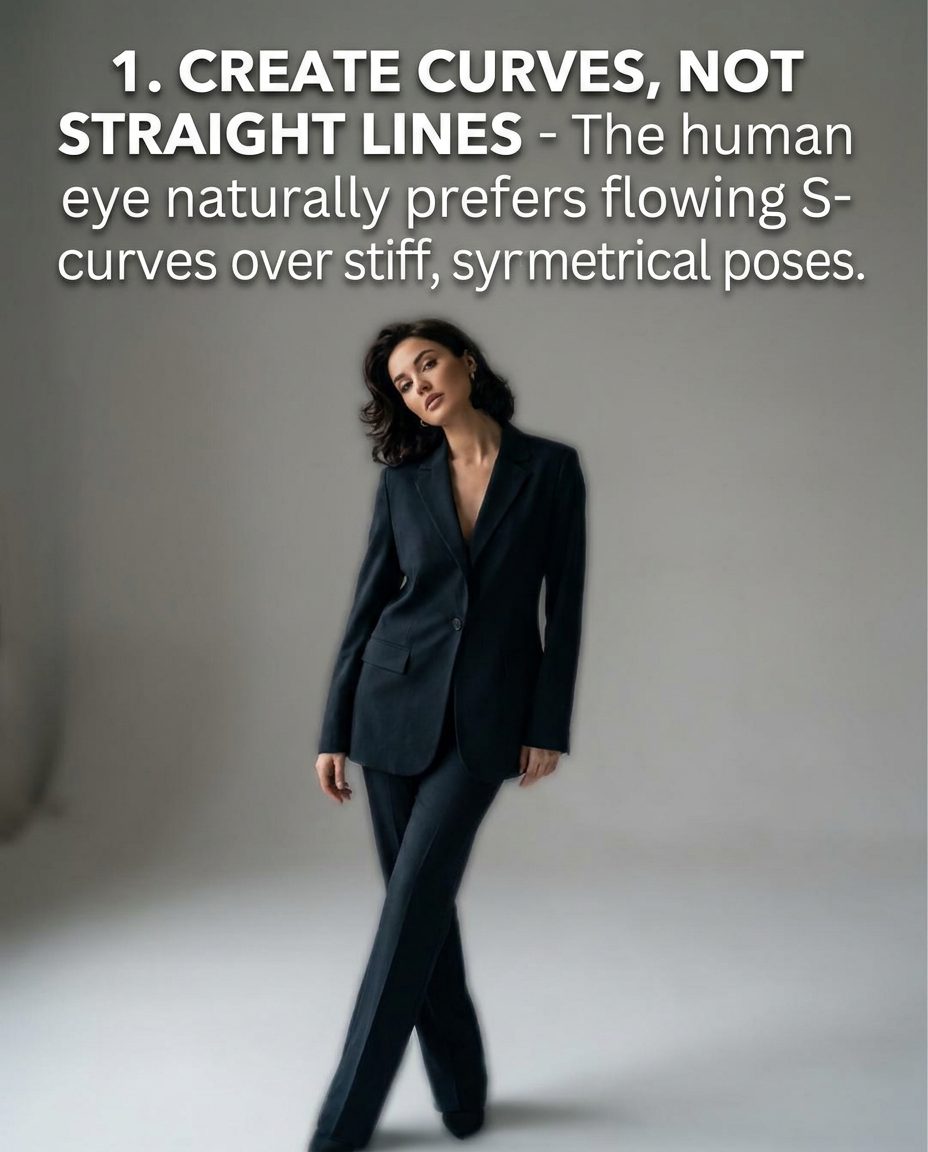
20 Simple Tips to Instantly Improve Your Portrait Photography
A successful portrait doesn’t begin when the photographer presses the shutter. It begins much earlier—with an idea, a discussion, a sketch, and a clear vision shared by everyone involved.
For decades, photographers have relied on mood boards, reference images, magazine editorials, and rough sketches to communicate that vision. Today, artificial intelligence adds a powerful new step to this creative process. Instead of replacing photography, AI allows photographers, models, stylists, and clients to explore ideas together before the real shoot even starts.
That’s exactly how we use it.
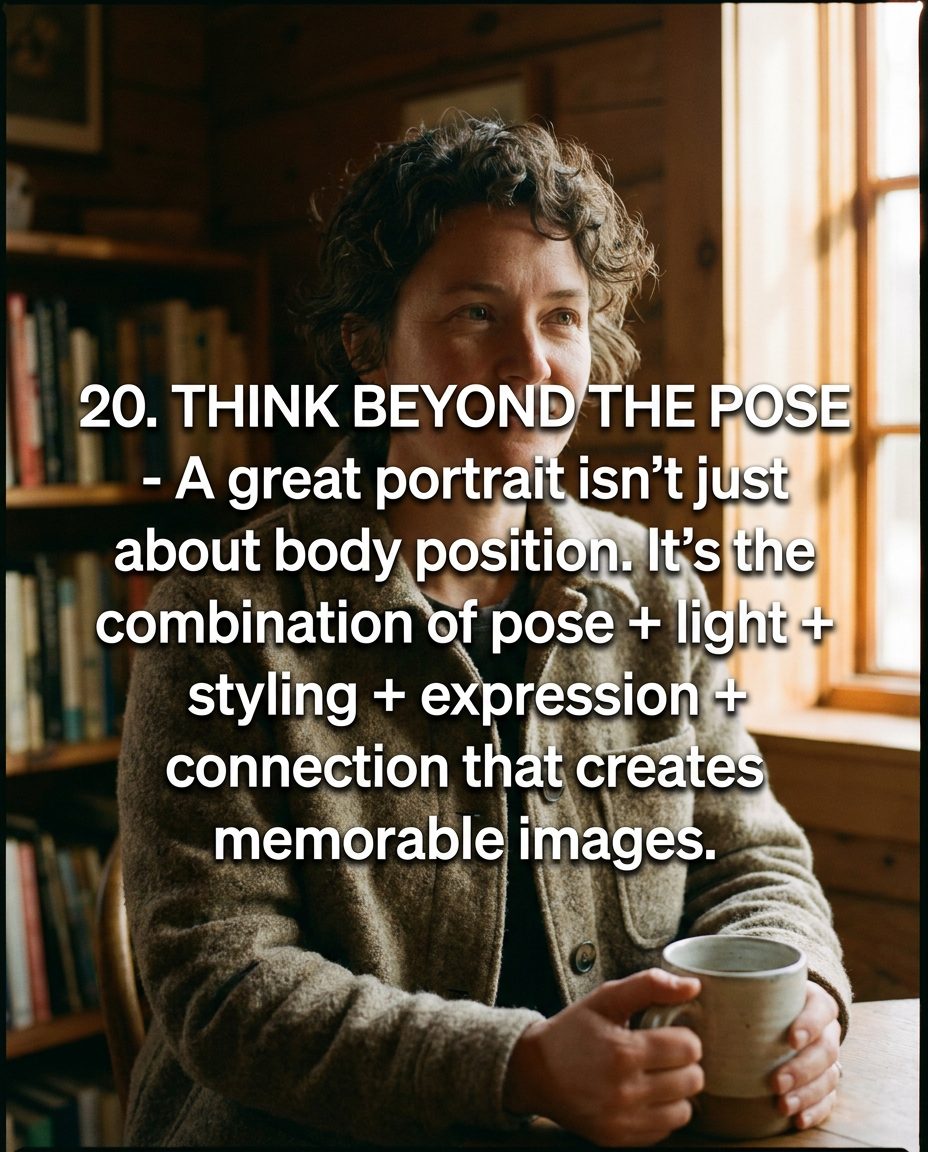
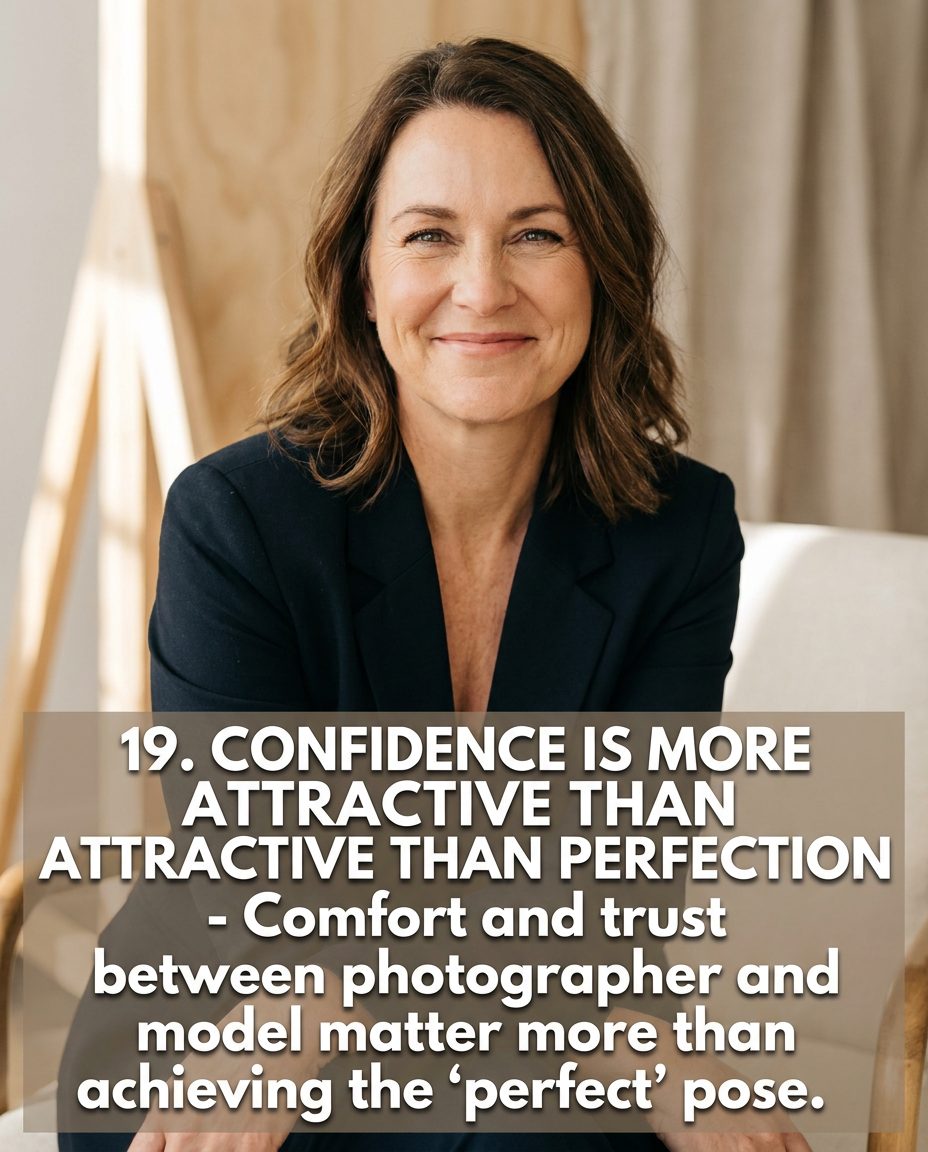
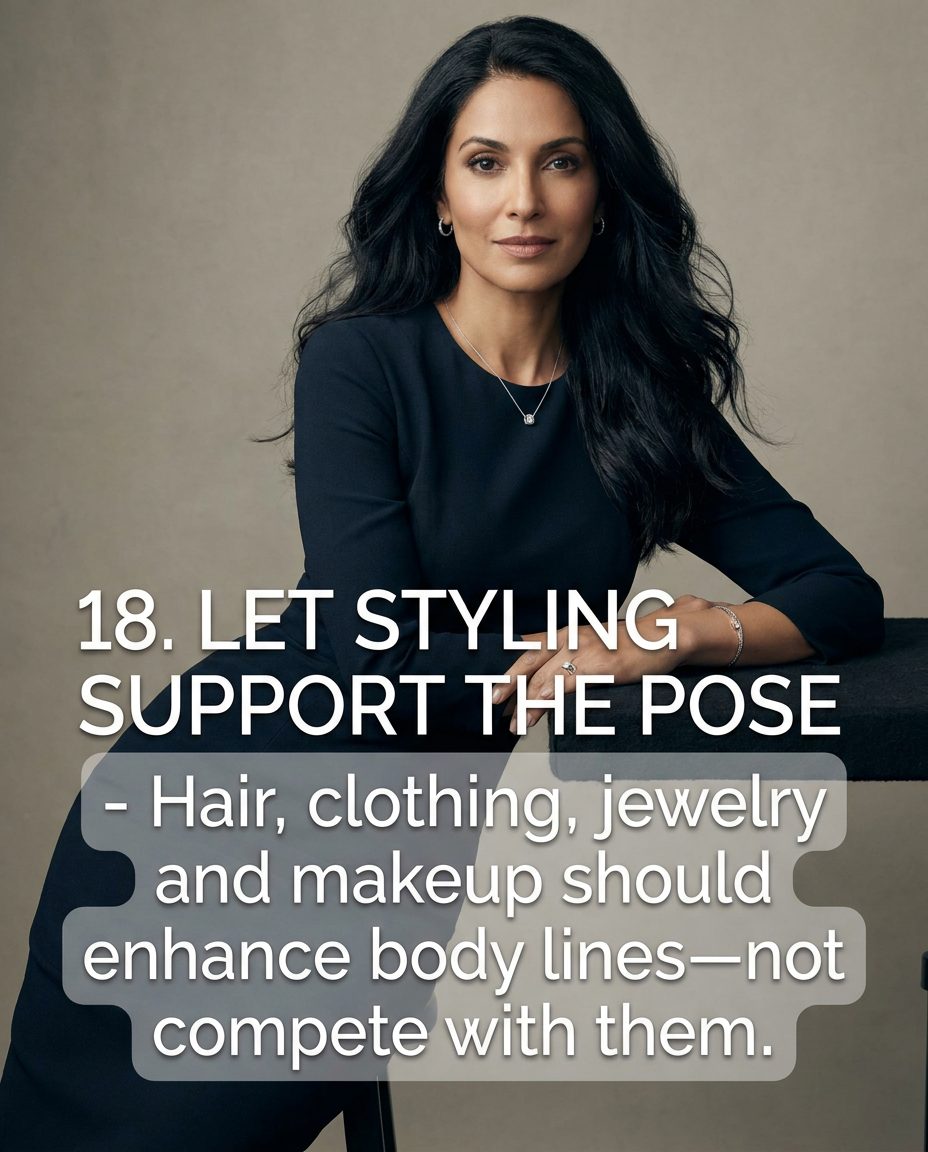
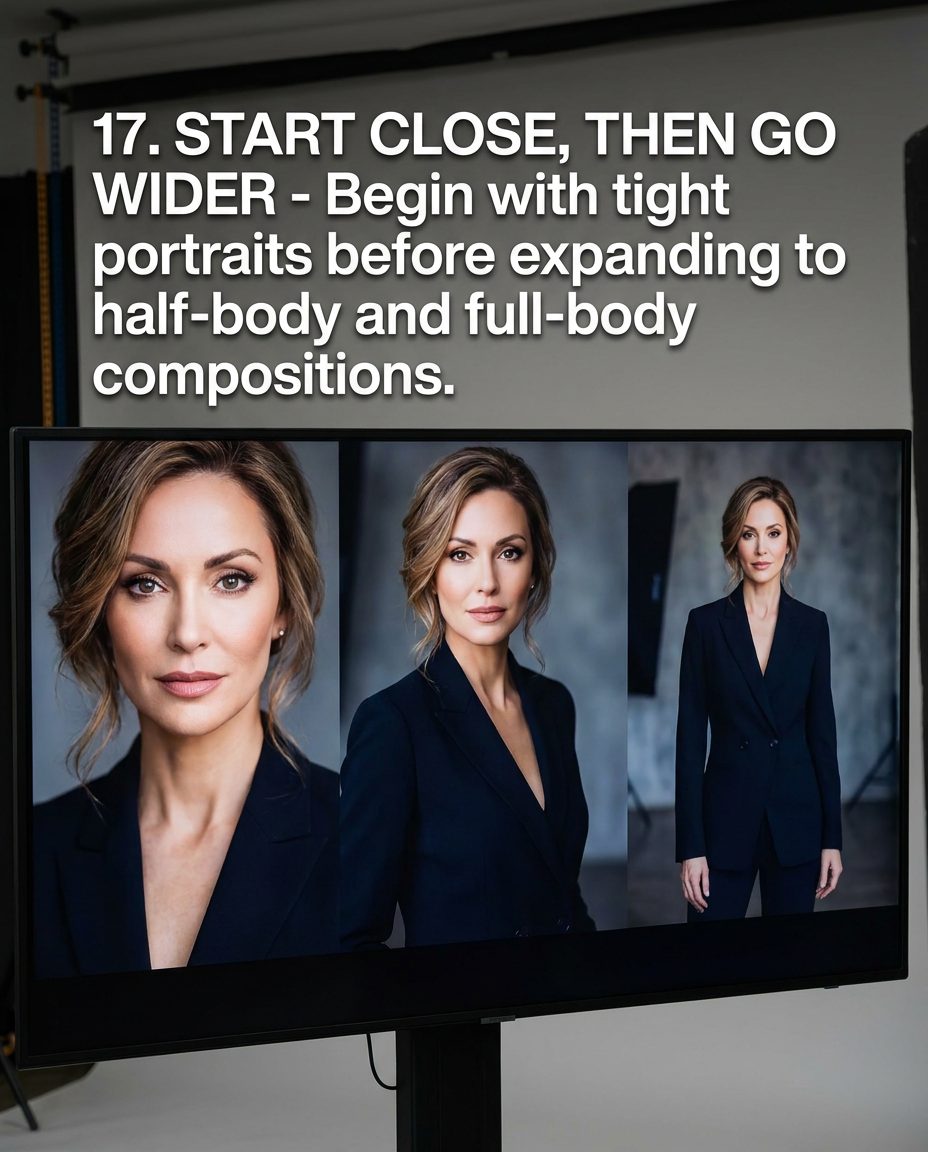
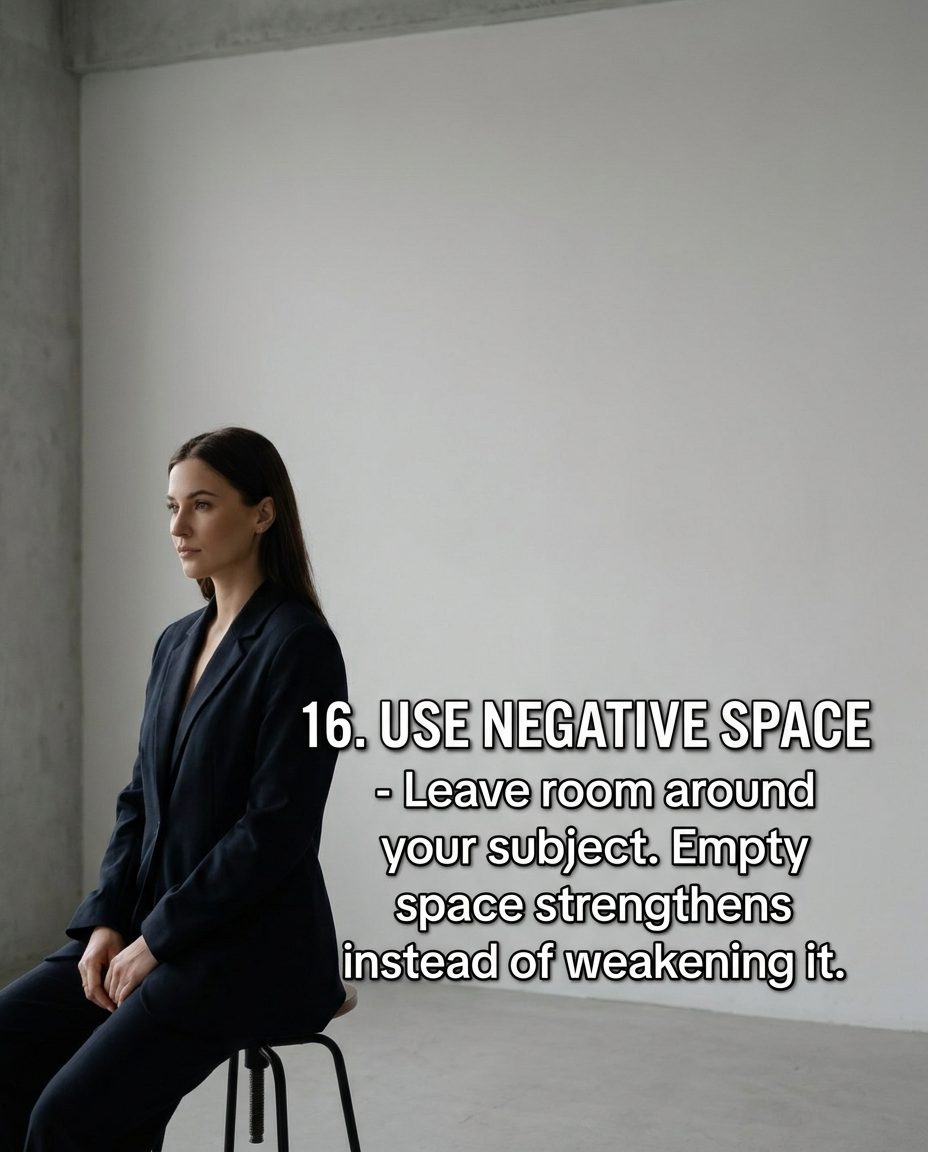
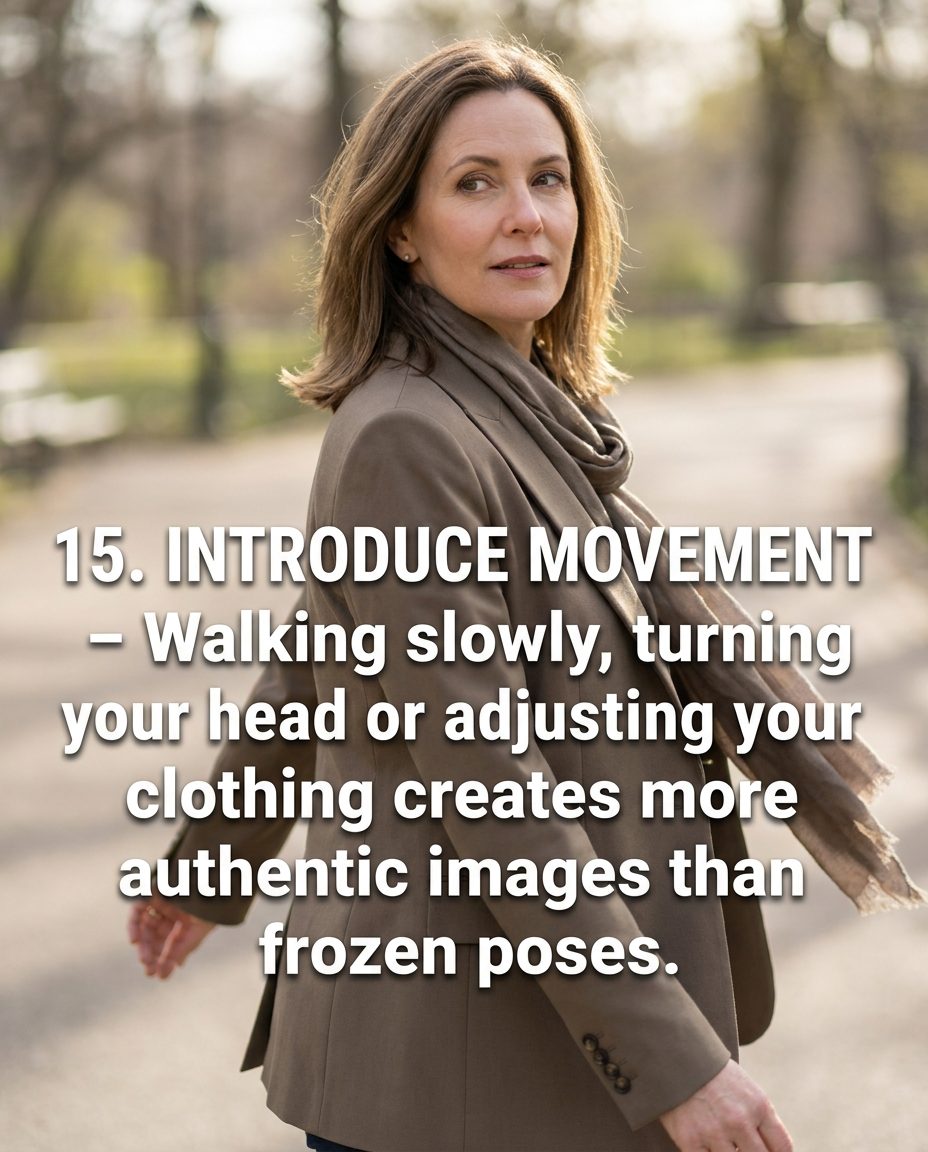
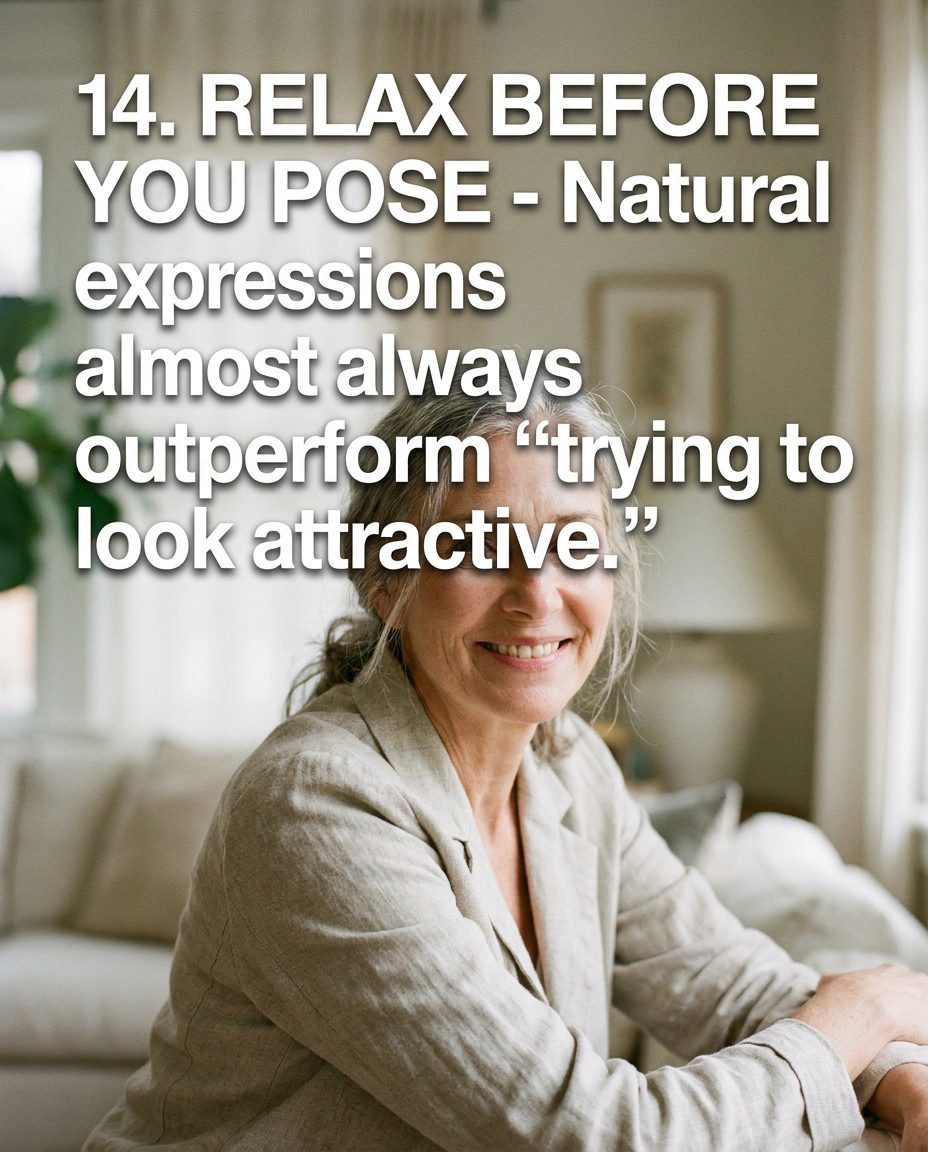
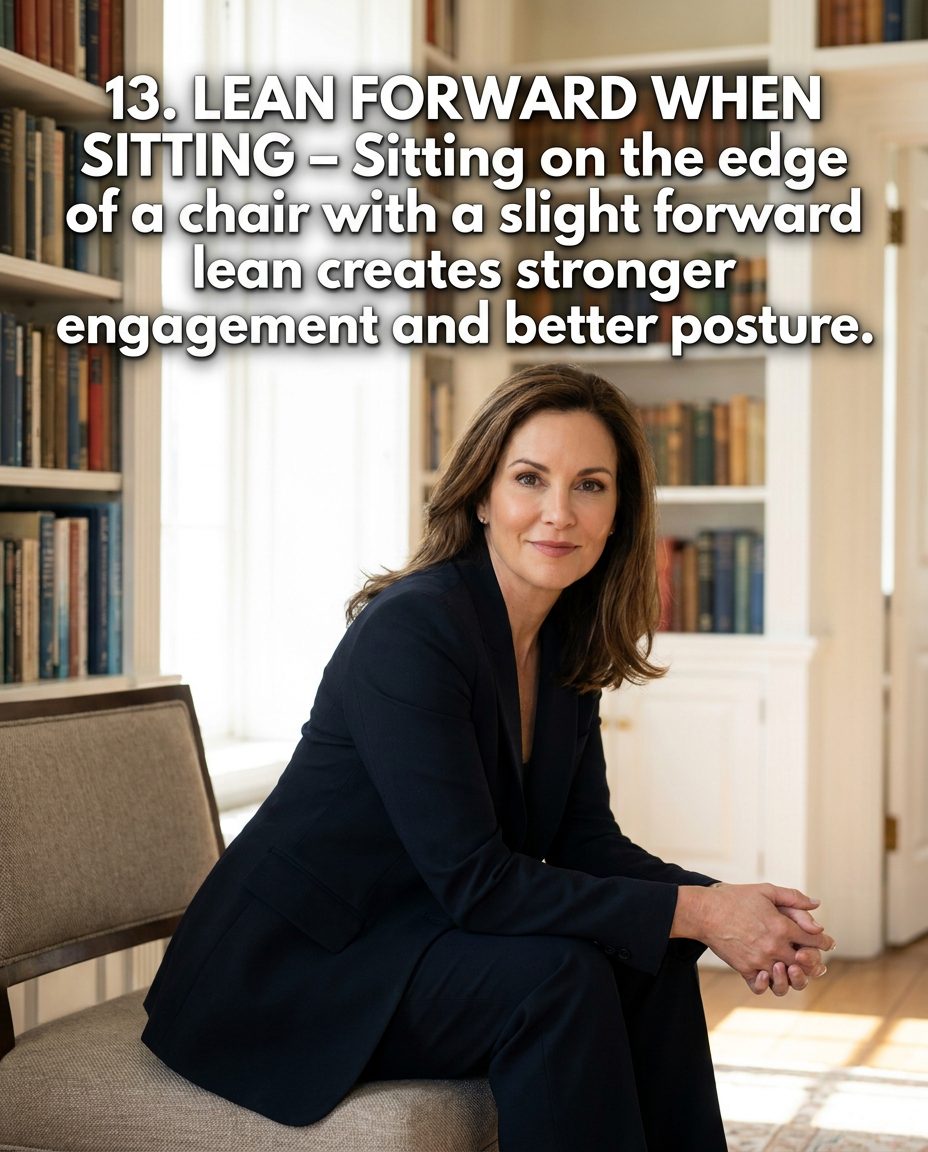
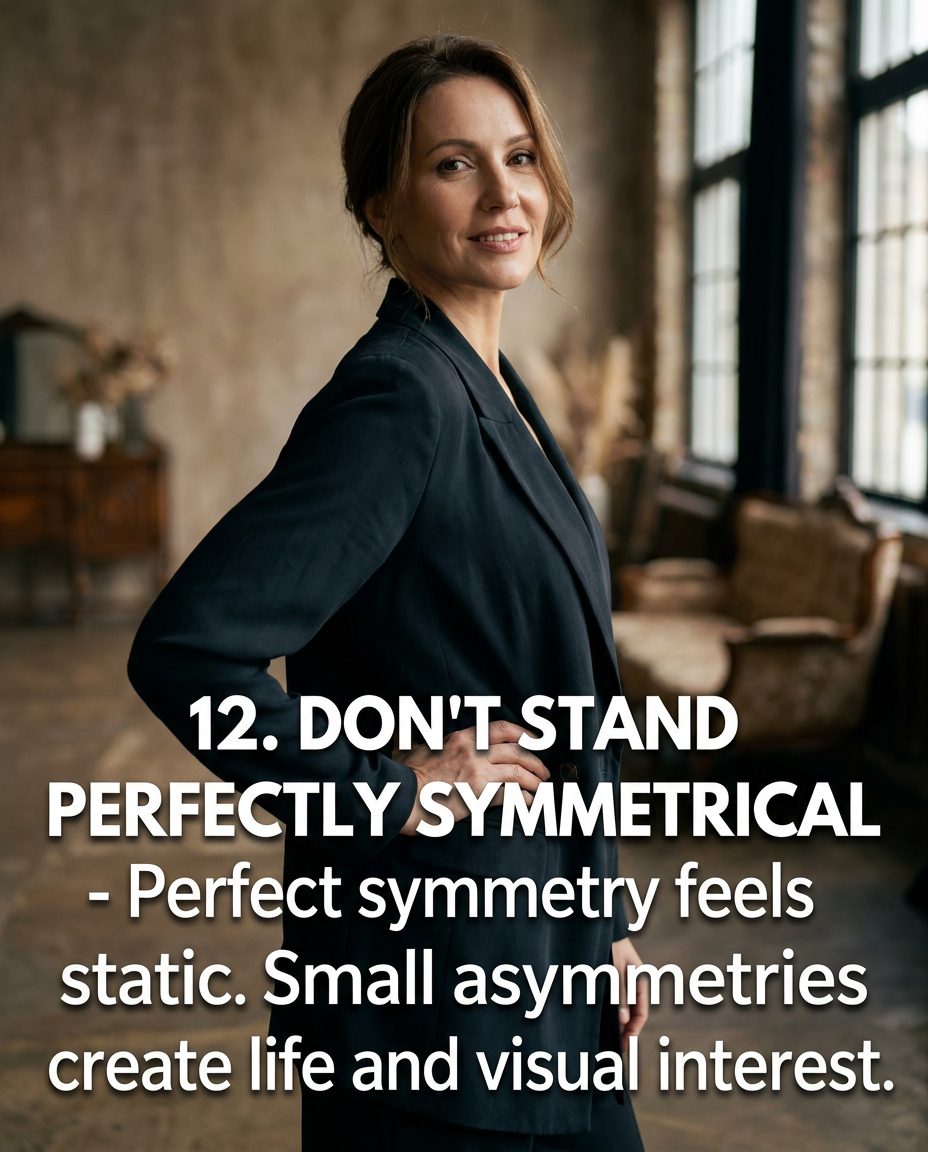
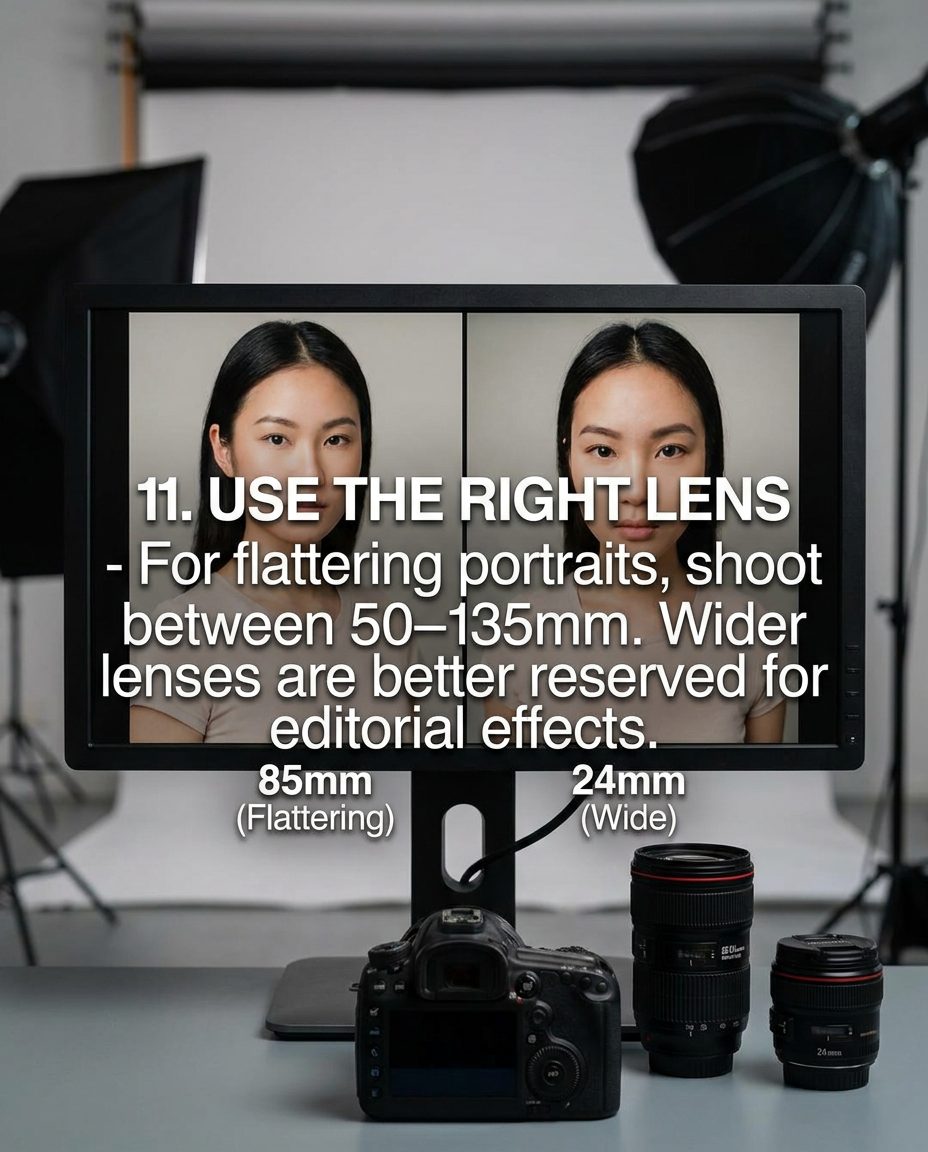
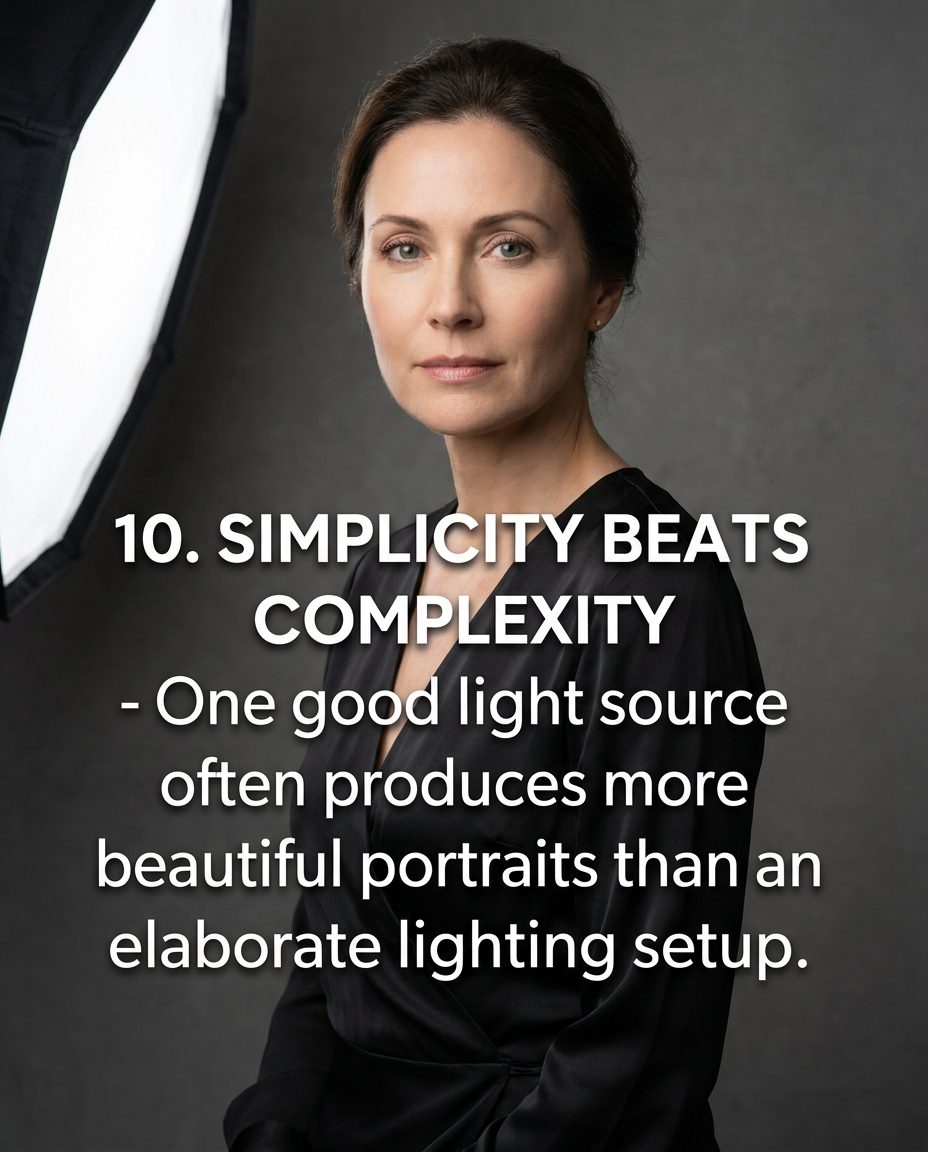
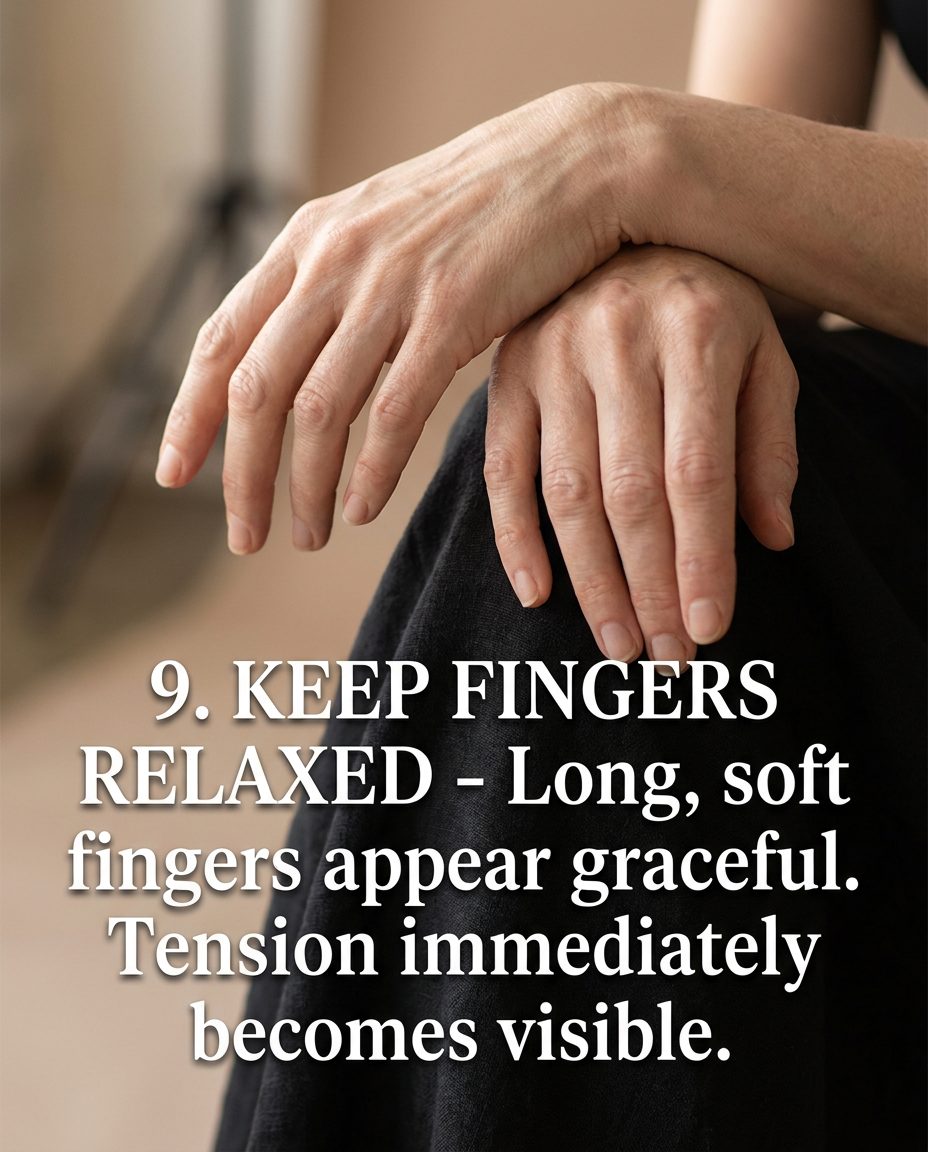
Every image in this article is an AI-generated storyboard. These are not intended to replace real photography. They are visual prototypes designed to answer practical questions before anyone steps onto the set.
Does this pose work?
Is the camera angle flattering?
Should the model turn a little more?
Would softer light produce a better result?
Does this styling match the intended mood?
By answering these questions beforehand, the actual photoshoot becomes far more creative and efficient. Instead of spending hours experimenting, the team already knows what they are trying to achieve. The photographer can focus on directing emotion rather than searching for poses. Models gain confidence because they understand the objective before the session begins. Clients can validate the artistic direction in advance, reducing misunderstandings and costly reshoots.
This approach also creates a healthier creative environment. Rather than asking a model to repeatedly try dozens of uncertain poses, everyone arrives with a shared visual language. AI becomes a collaborative planning tool—not a replacement for the artistry, spontaneity, and human connection that make great photography unique.
The twenty examples that follow were inspired by professional photography techniques, editorial practices, and recent research into visual perception. They demonstrate timeless principles that consistently make portraits stronger: asymmetry instead of rigidity, natural body language instead of forced posing, thoughtful lighting instead of unnecessary complexity, and composition that guides the viewer’s eye naturally through the image.
Each illustration serves as a visual guide for a real photograph waiting to happen.
The goal isn’t to recreate the AI image perfectly. In fact, the best photographs rarely do. The storyboard simply provides a starting point—a common creative reference from which the real magic can emerge through the photographer’s eye, the model’s personality, the lighting, the location, and those unpredictable moments that no algorithm can invent.
Whether you’re a professional photographer, an aspiring model, a content creator, or simply someone who wants to look more confident in front of the camera, these twenty practical tips will help you understand why certain portraits feel more elegant, more engaging, and ultimately more memorable.
Because the best portrait is never created by artificial intelligence.
It is created by people.
AI simply helps everyone arrive there with a better plan.
You May Also Like
Abdelkhadir Azene Moussa Interview
Can you tell us a little about yourself? I’m a simple person who has a deep love for fashion. Style and self-expression mean a lot to me, and I enjoy exploring different looks that reflect my personality. Apart from modeling, what other passions or hobbies drive you? I’m passionate about sports, especially soccer. It keeps...
25 poses for studio or outdoor photography.
No inspiration for your photoshoot? Bmodel gives you 25 professional poses to recreate instantly — simple, fast, and stylish. Find the perfect posture, guide your model with confidence, and make every shooting look pro.