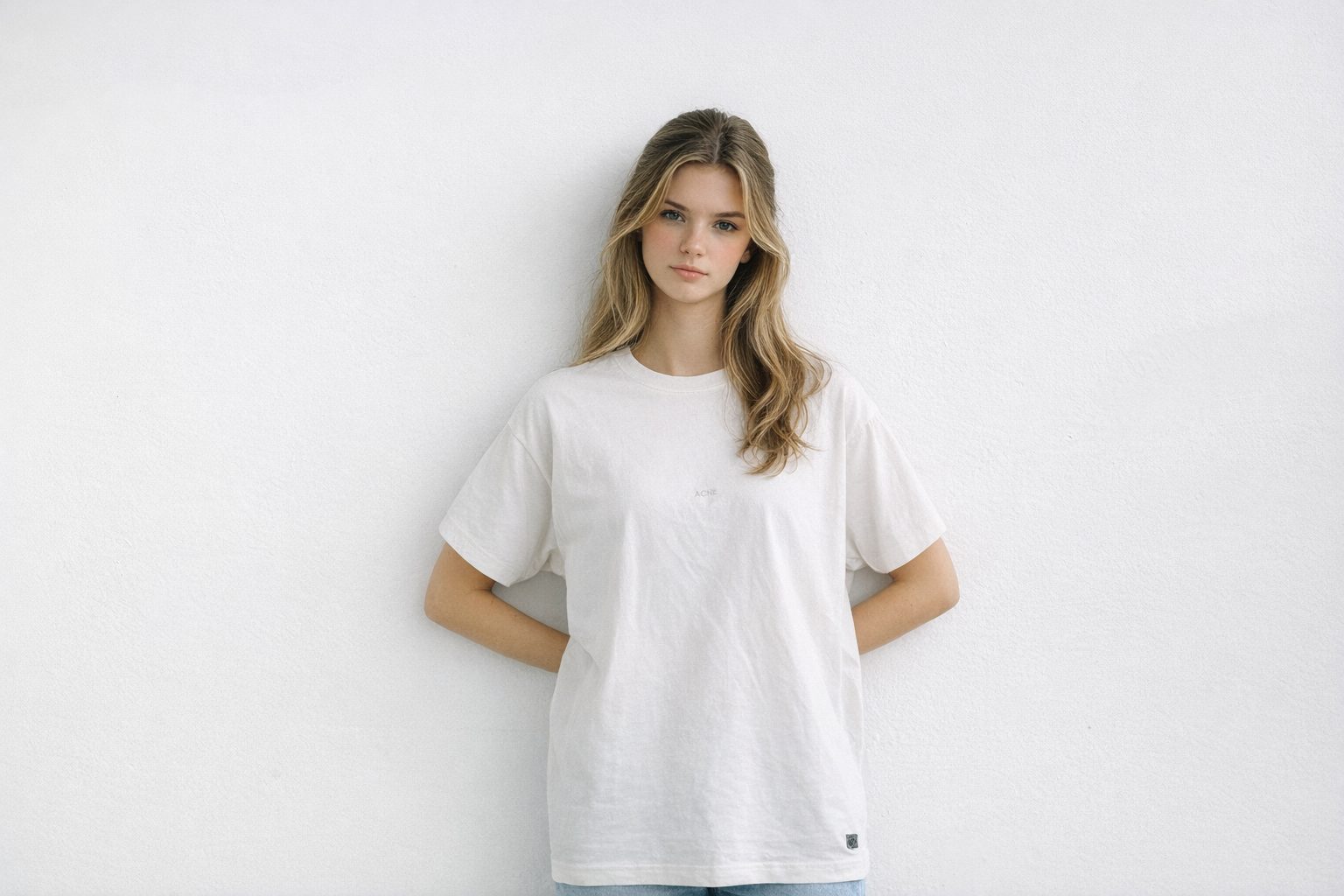
AI. Valencia Shooting Casting
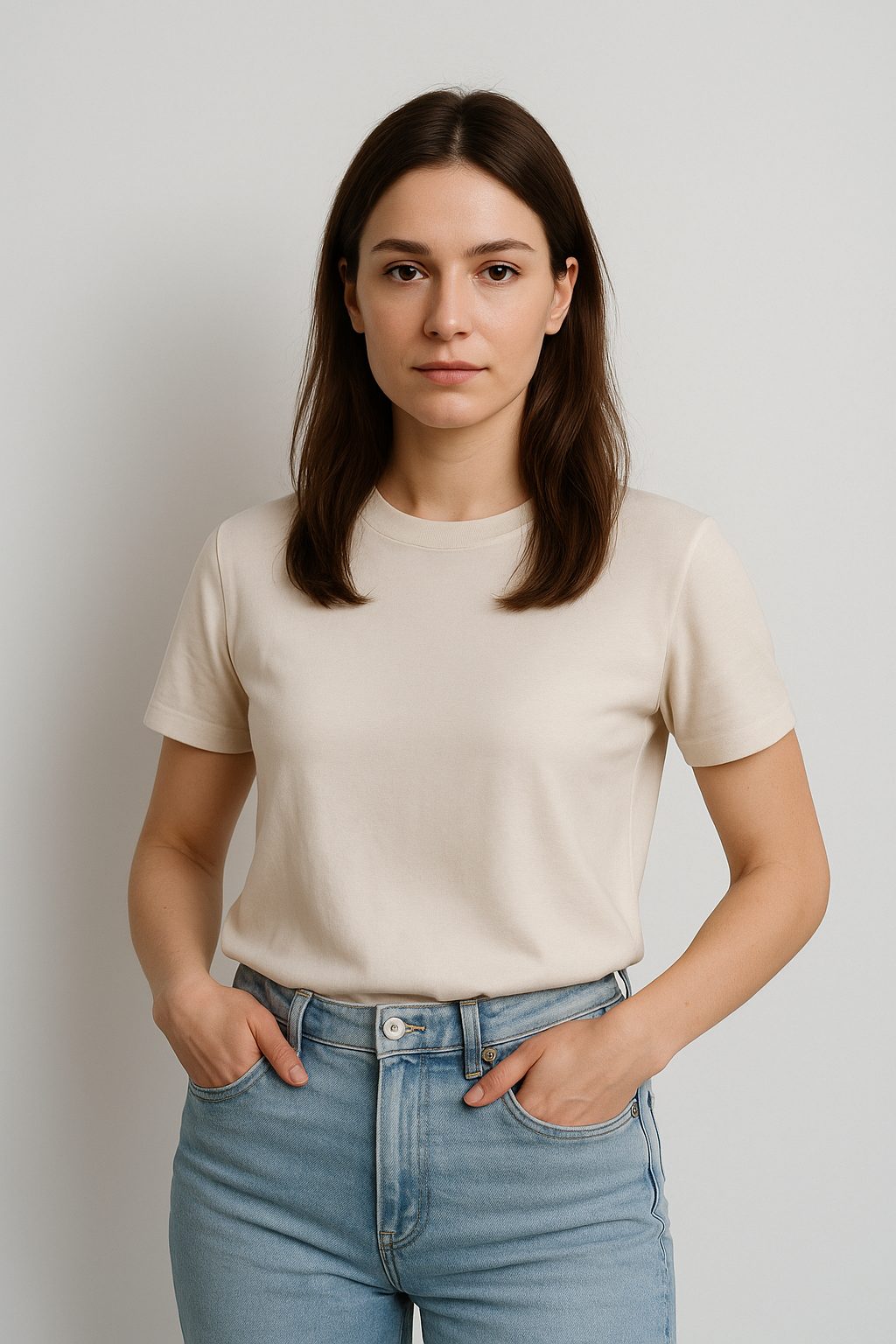
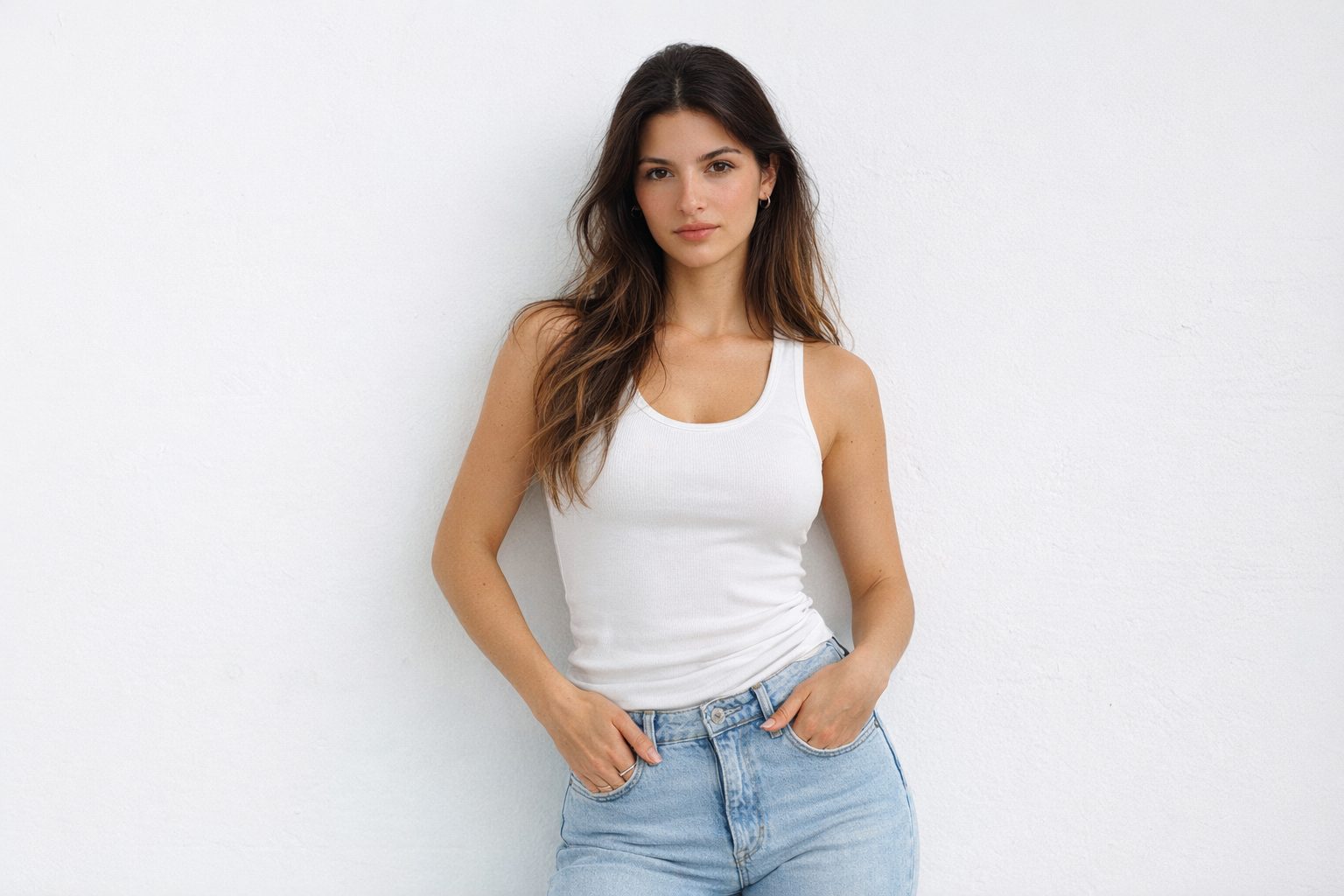
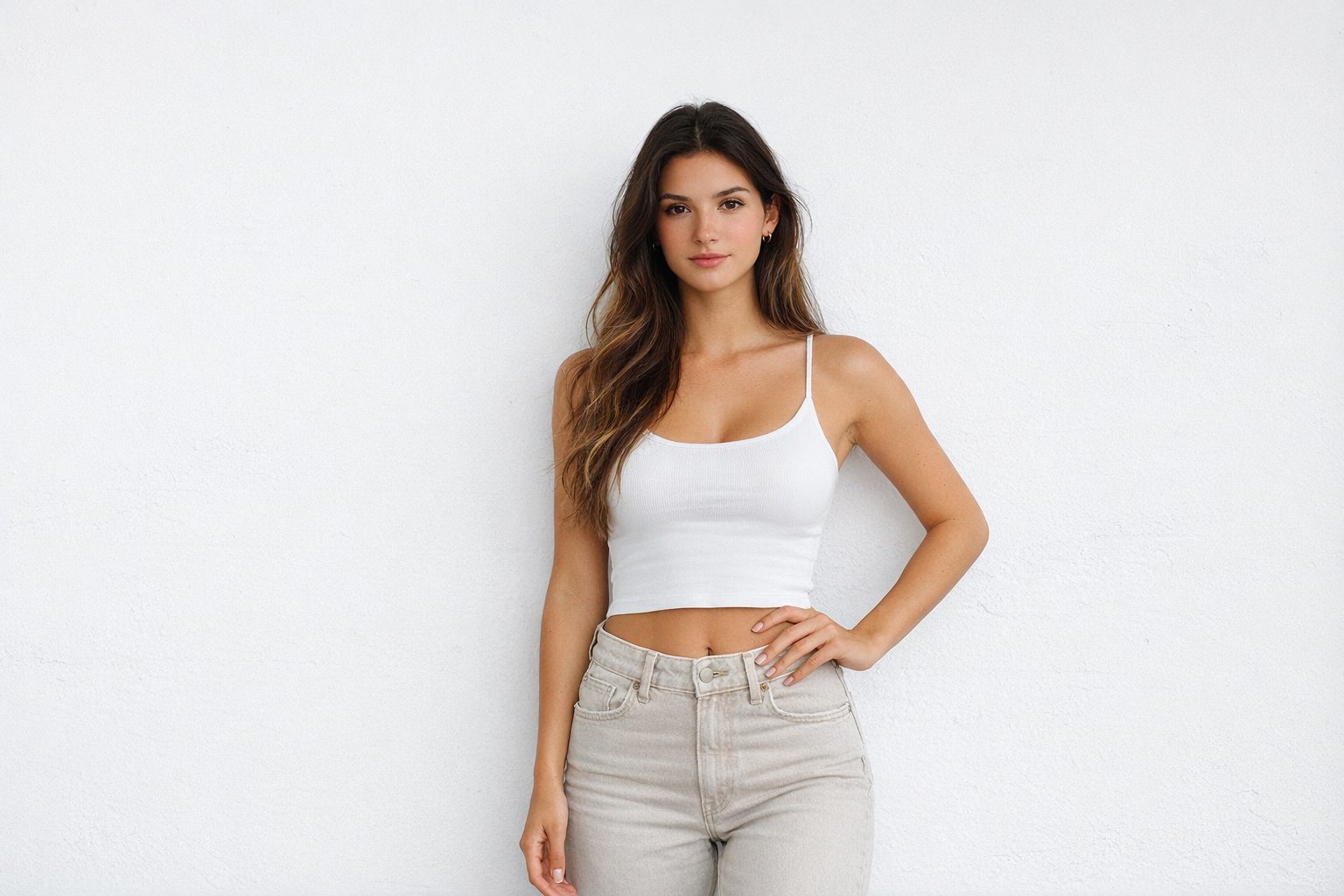
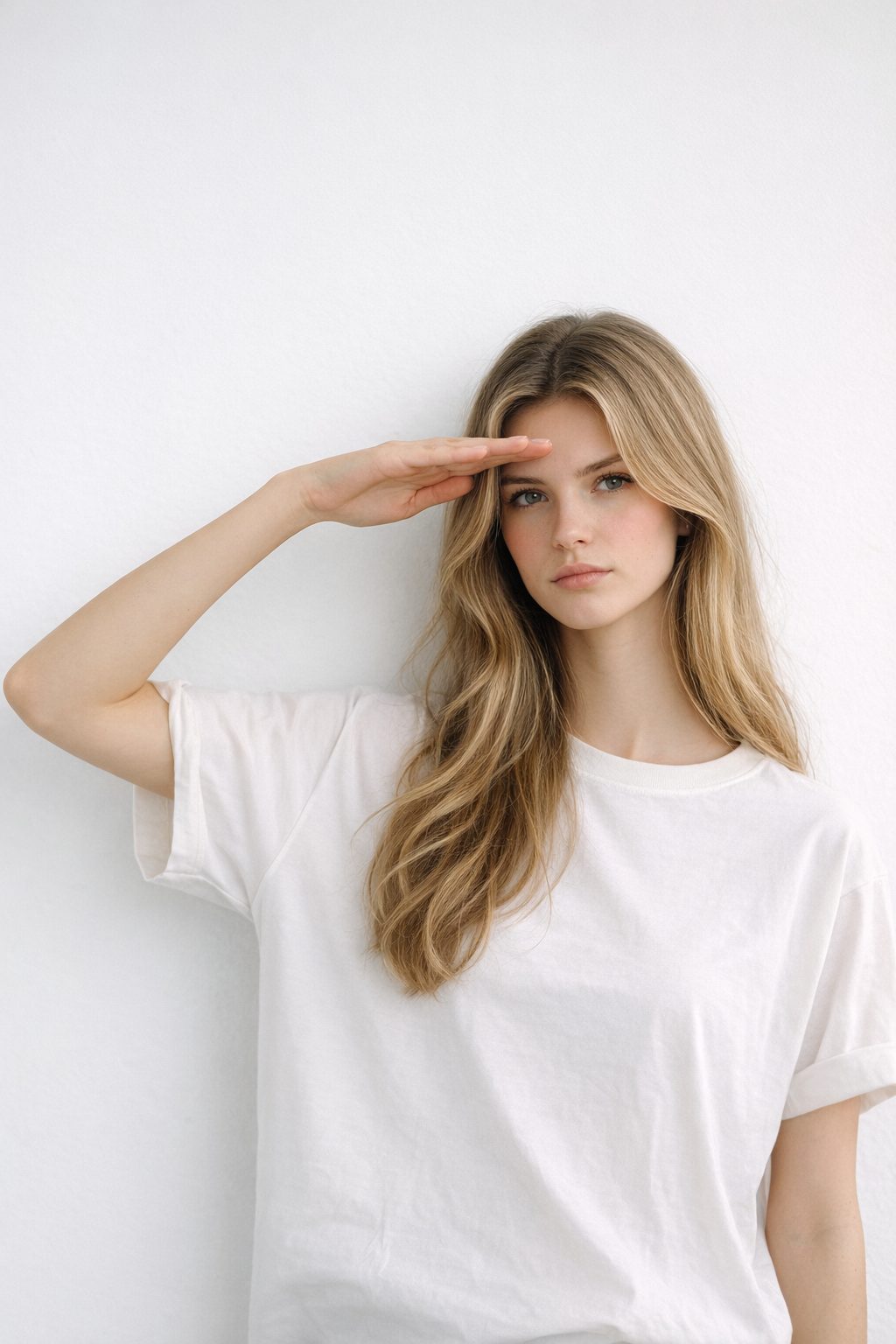
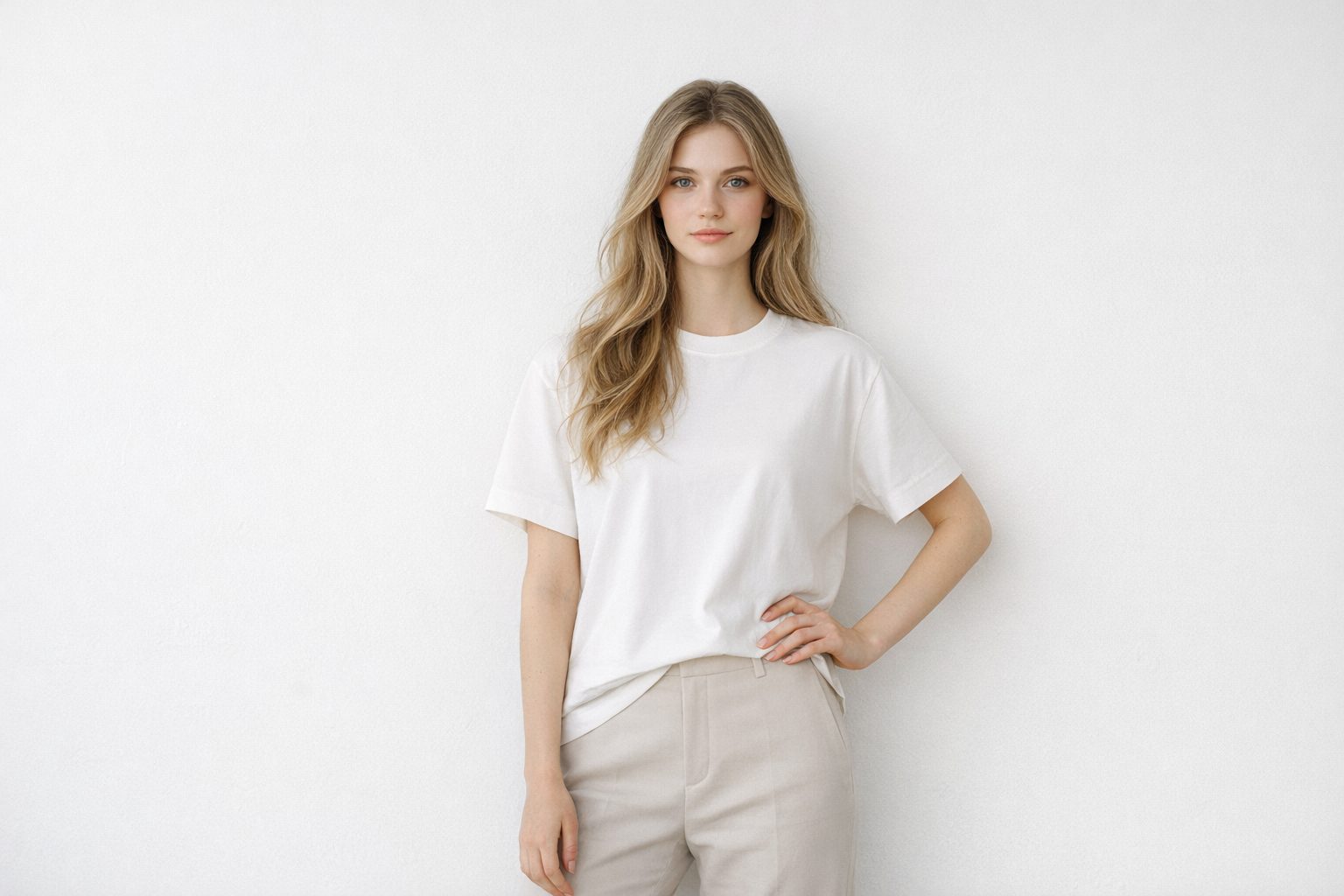
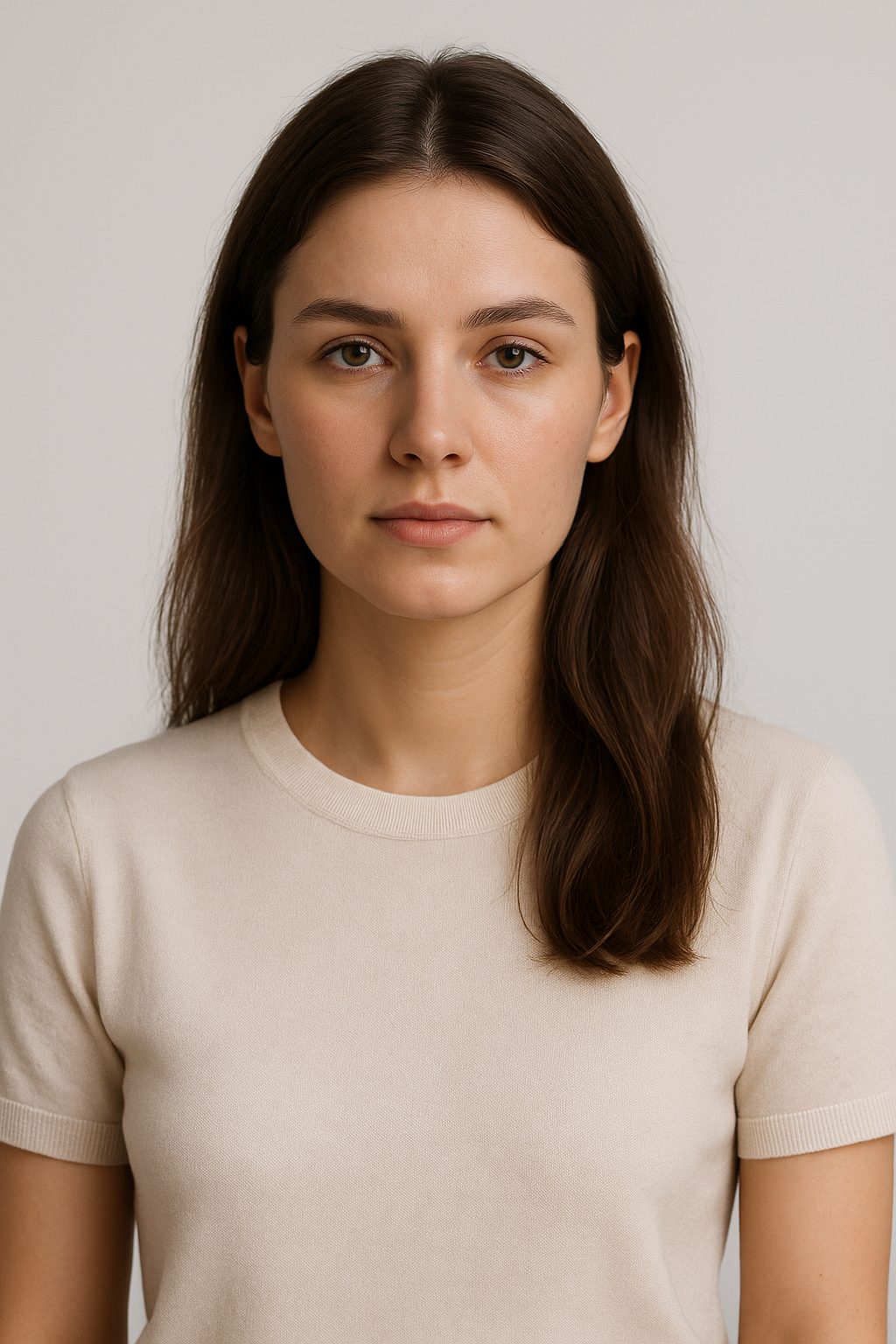
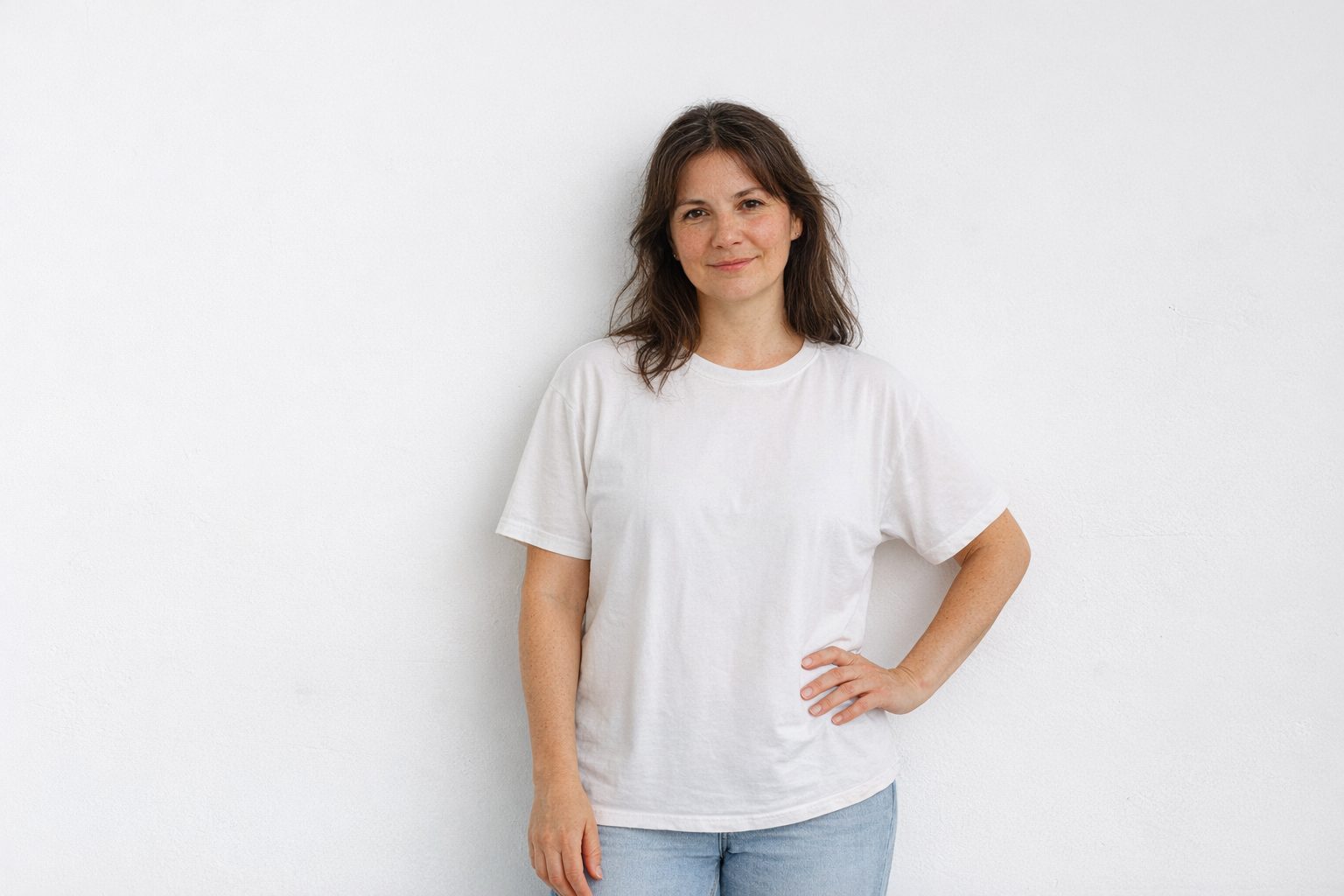
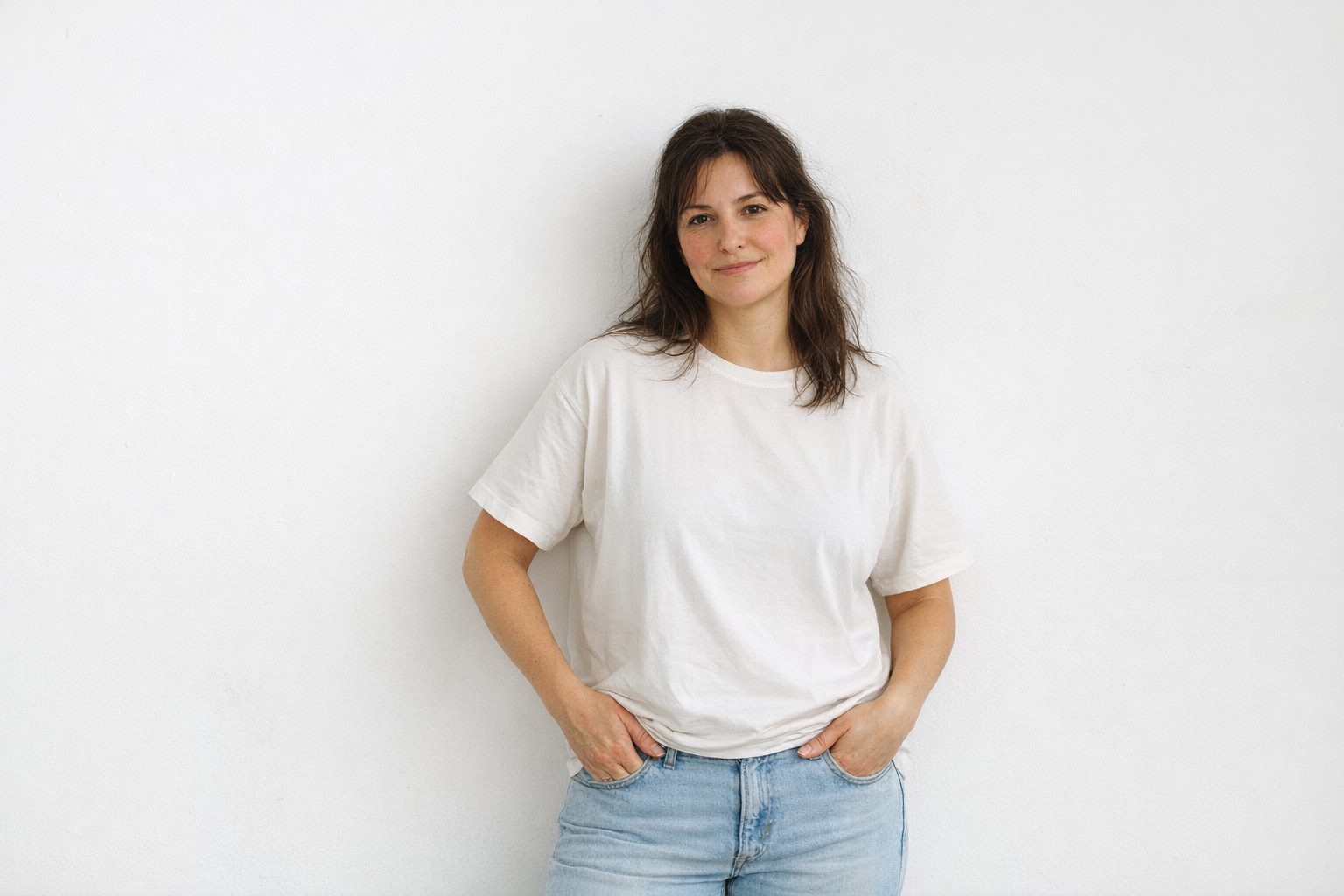
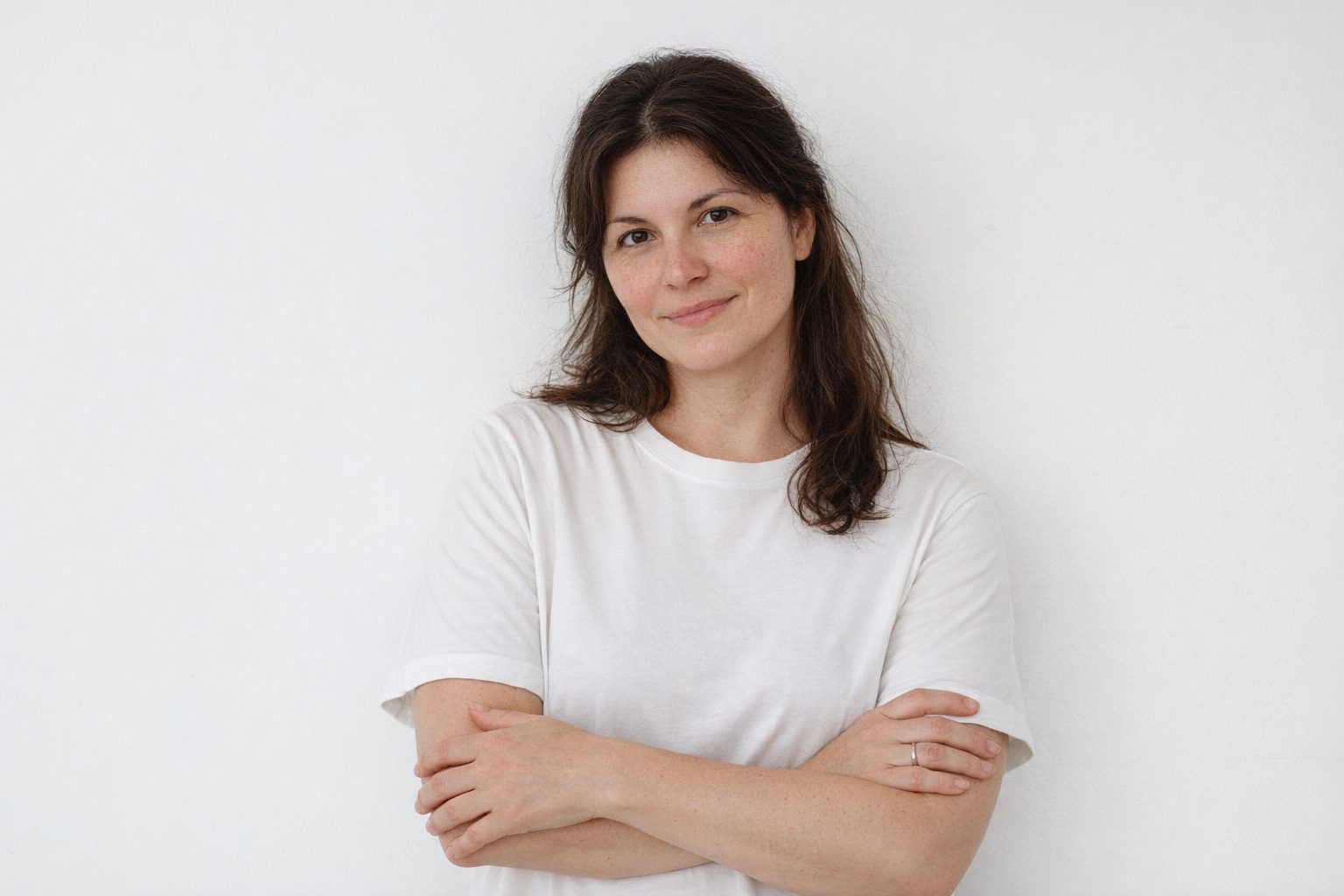
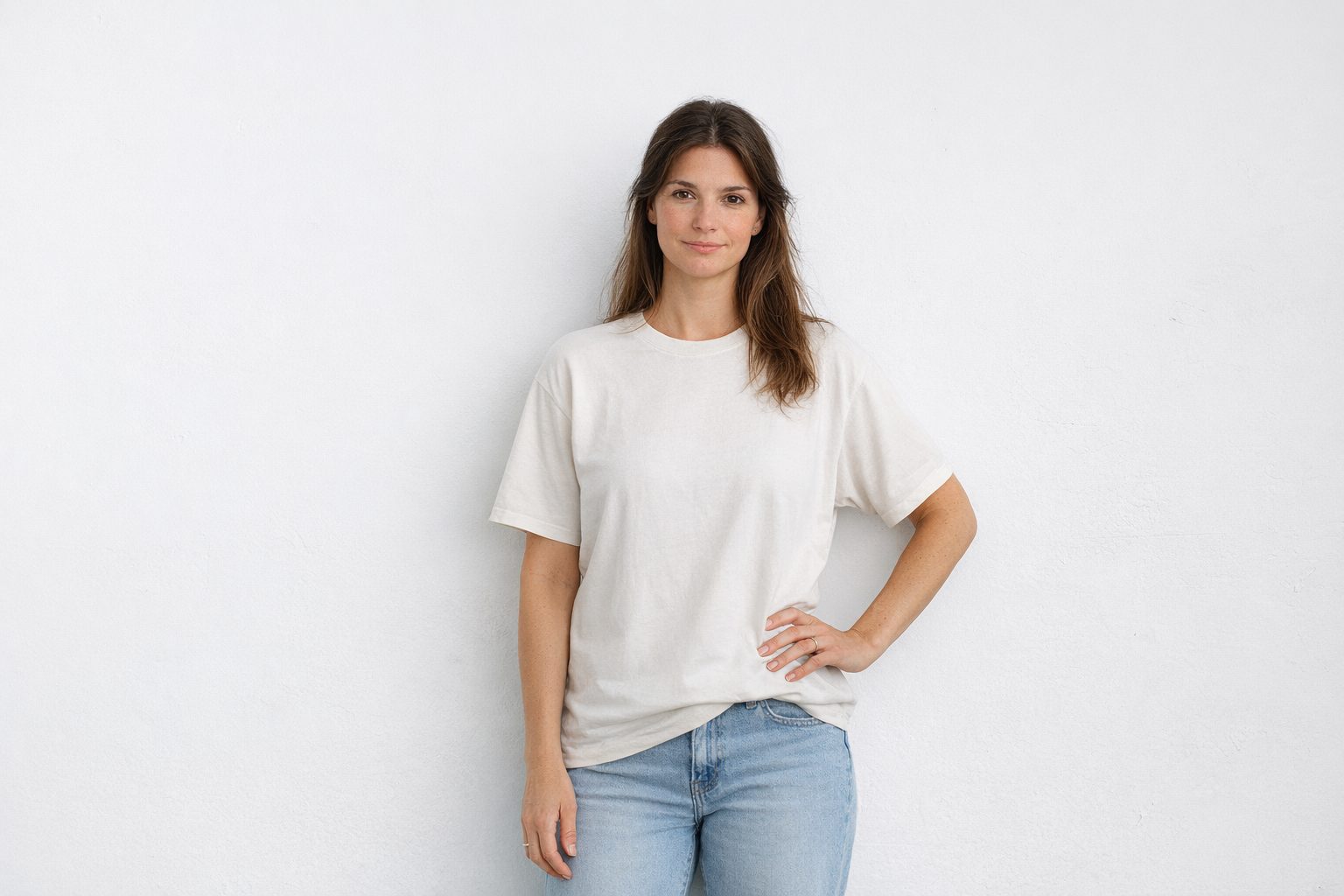
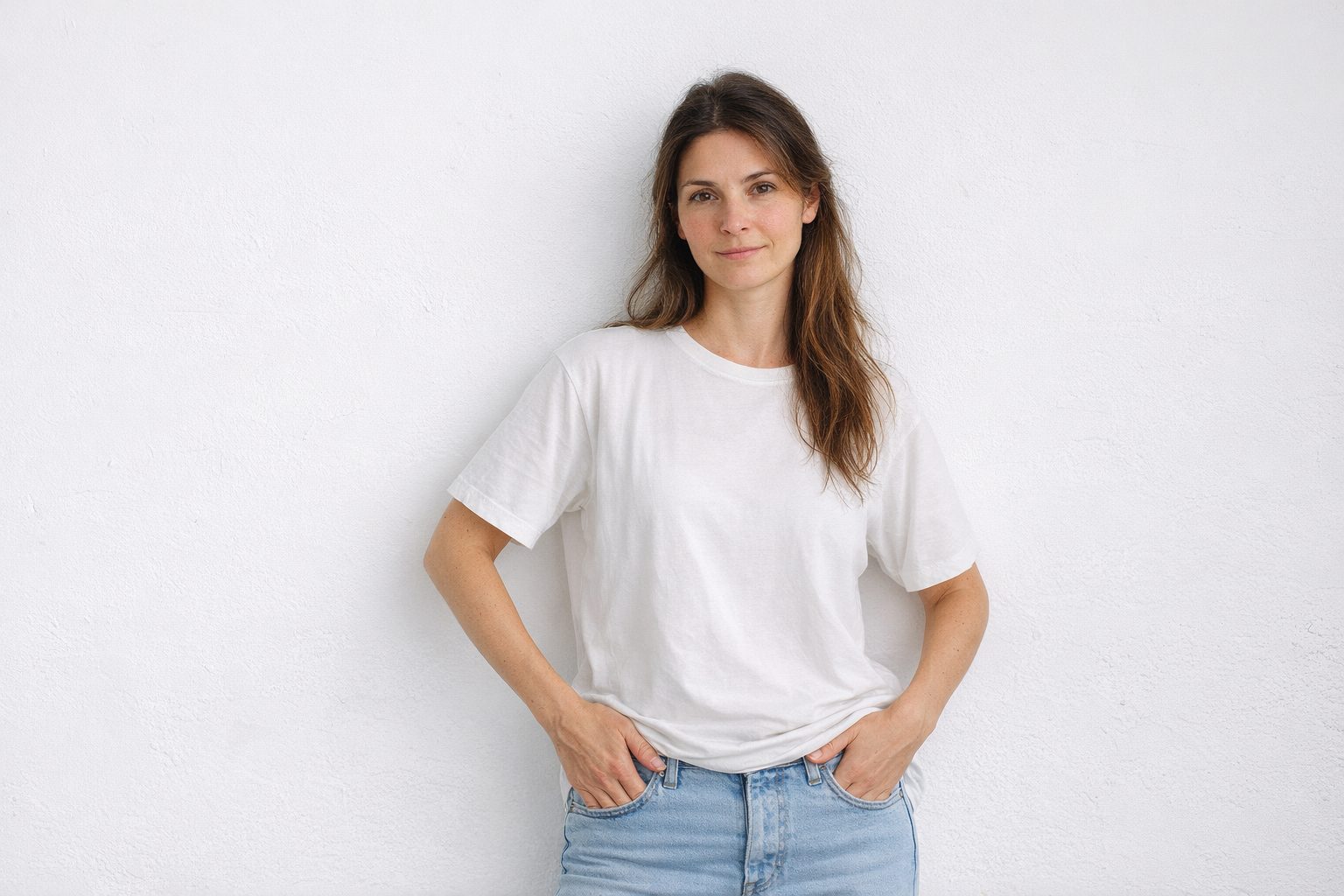
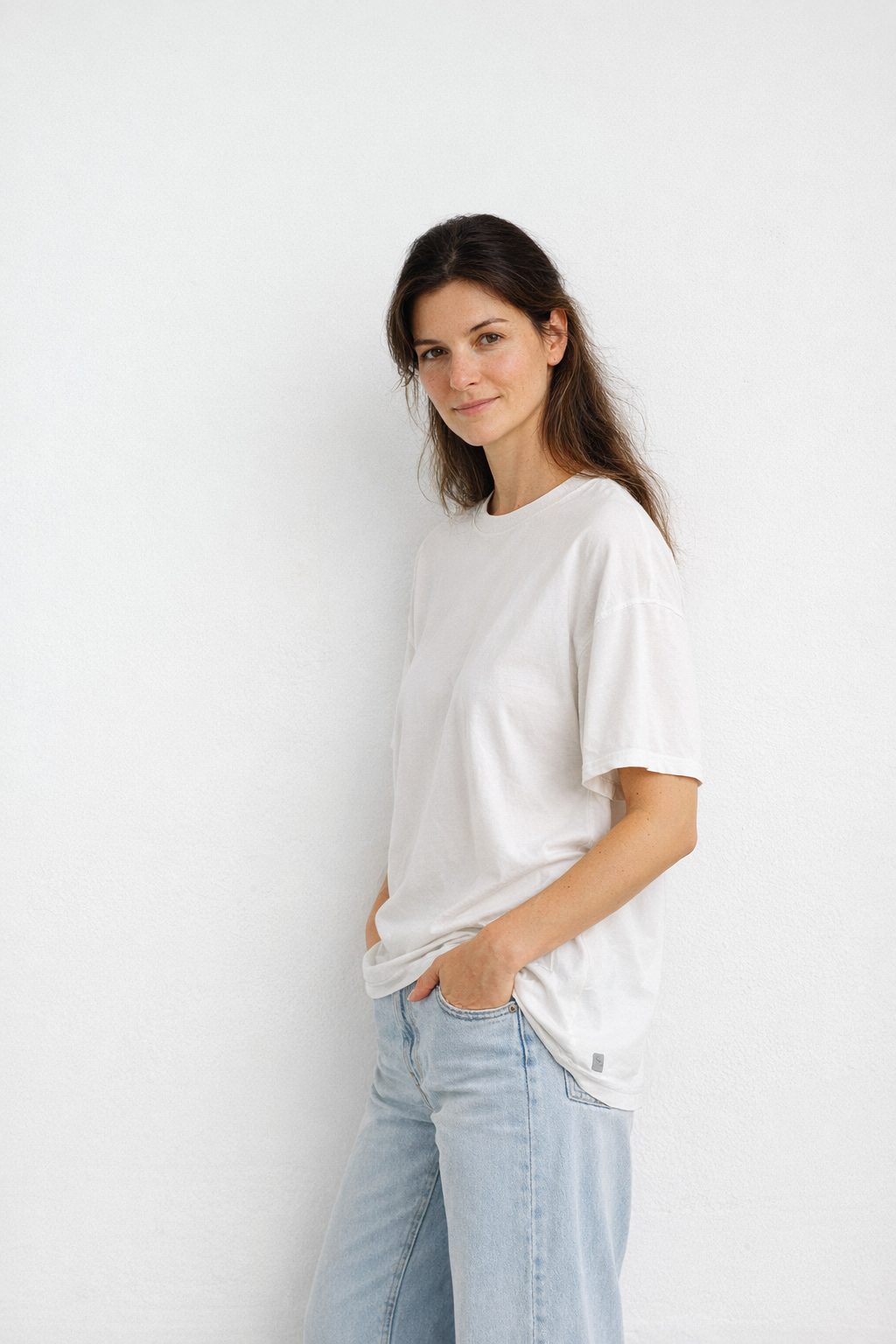
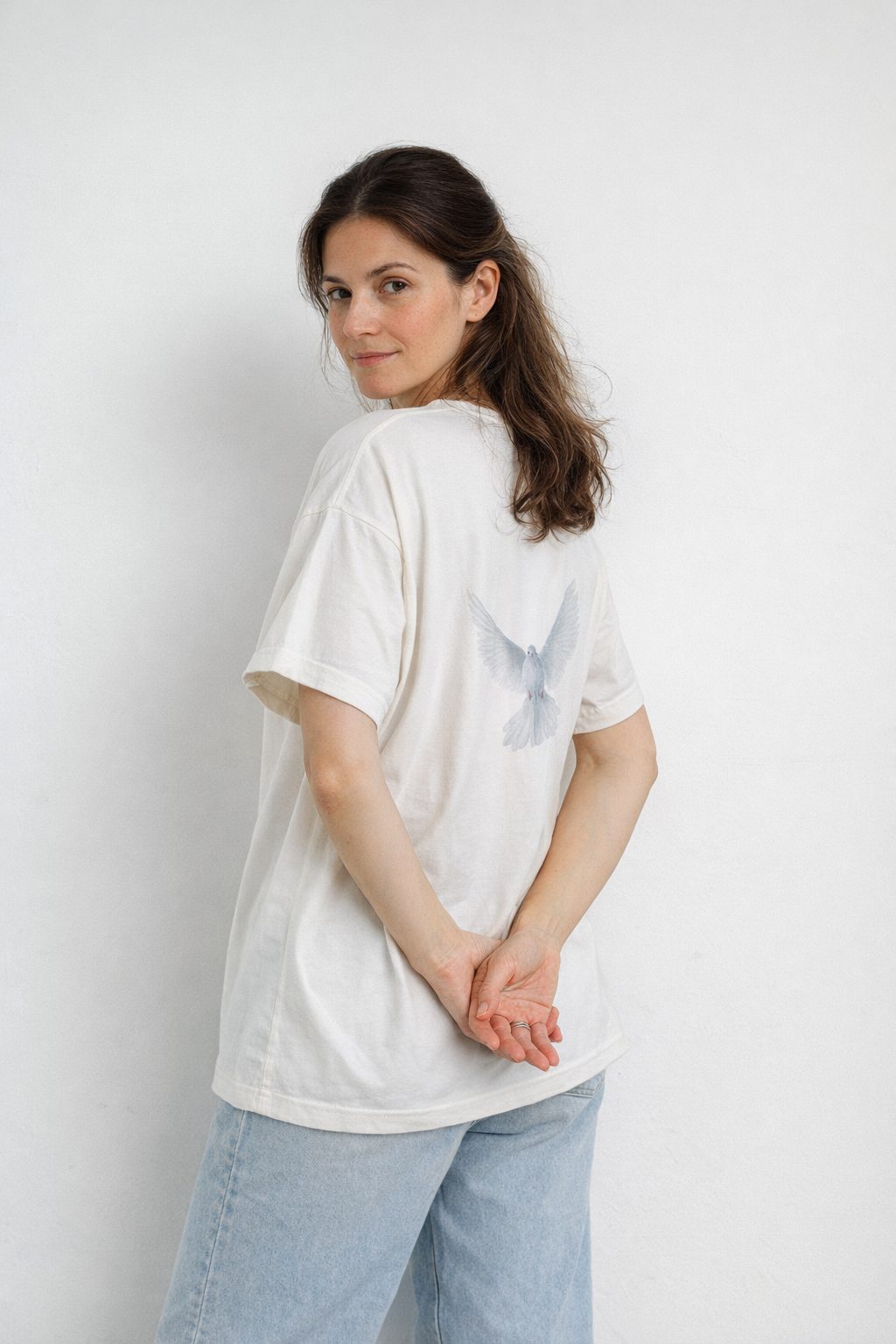
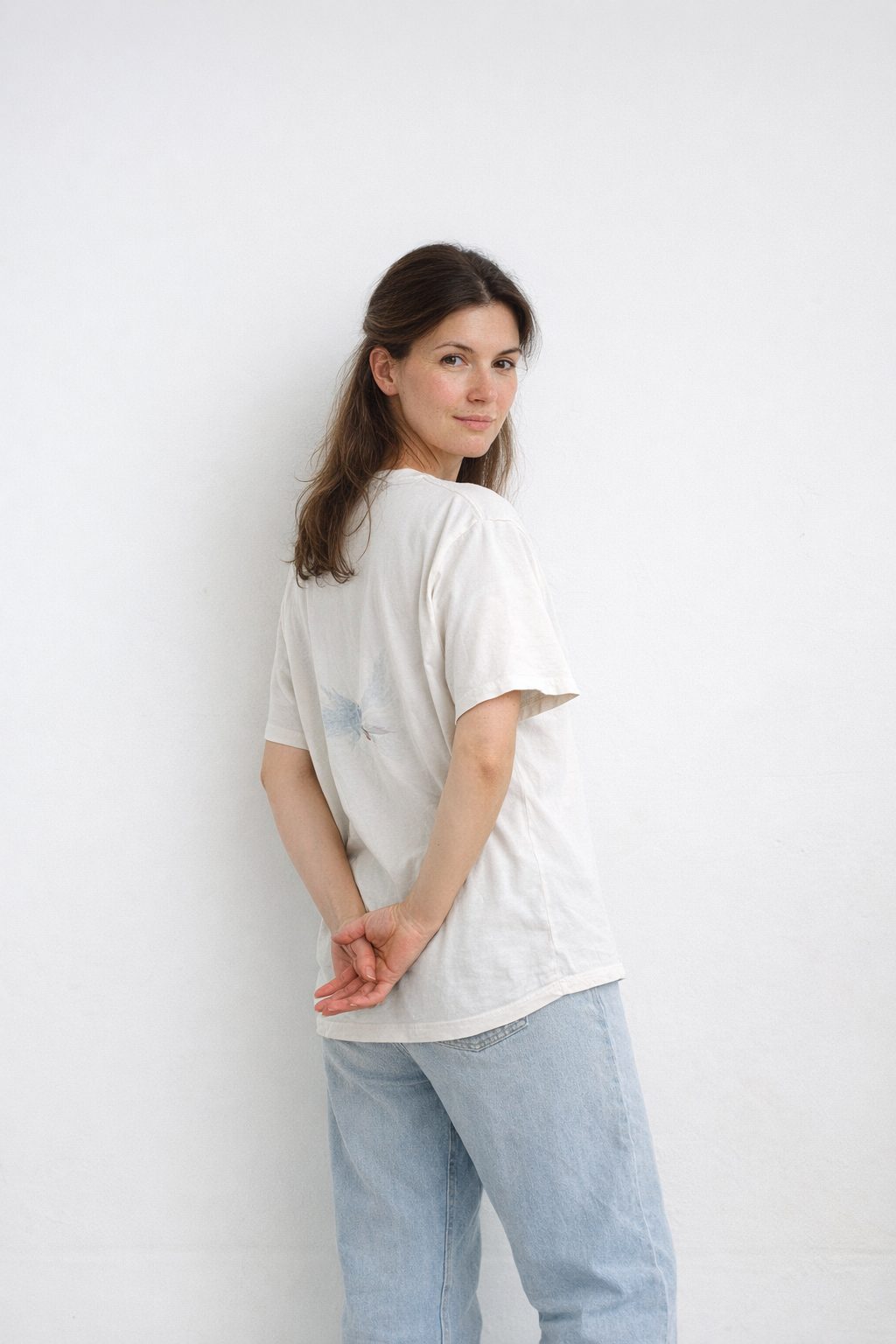
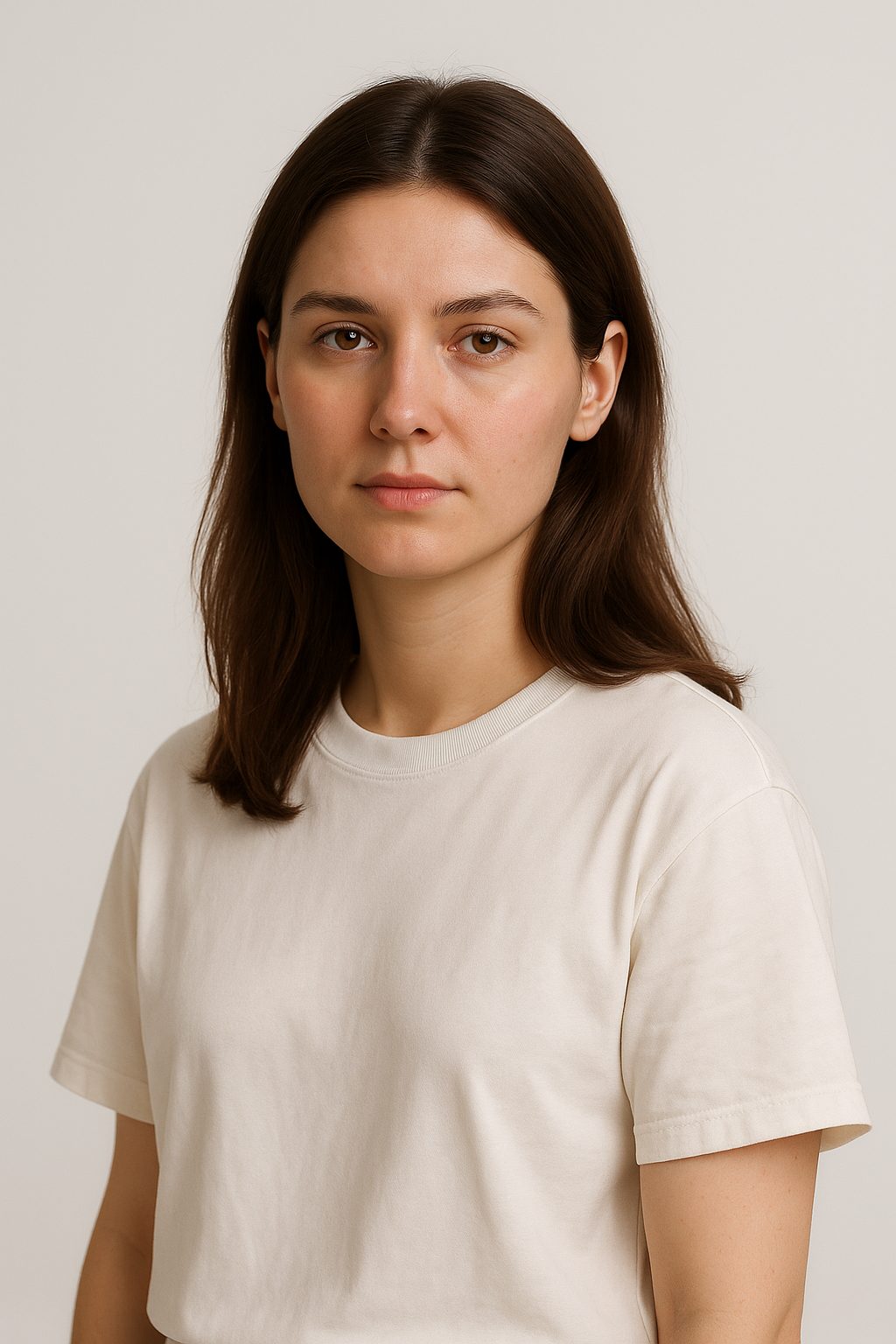
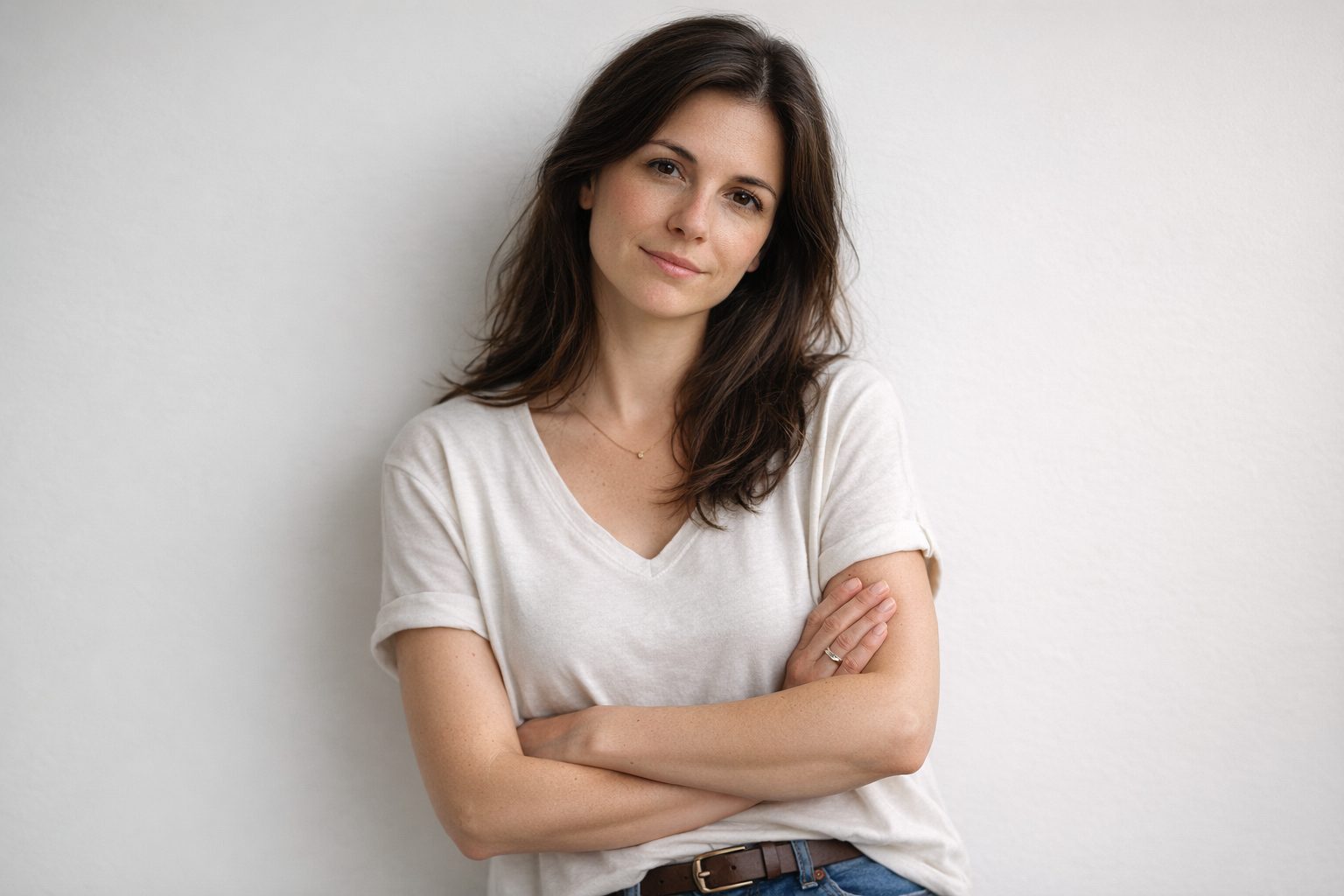
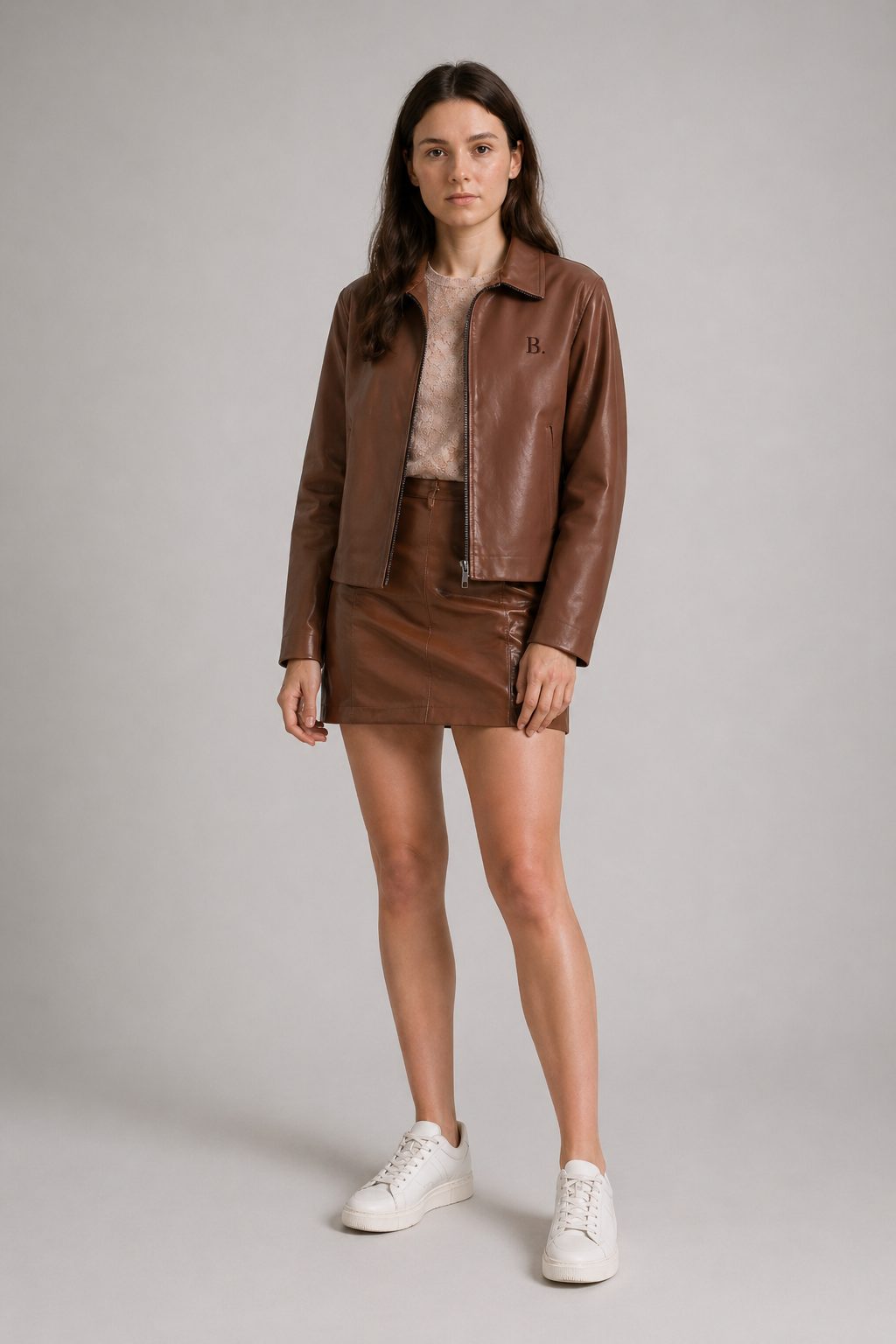
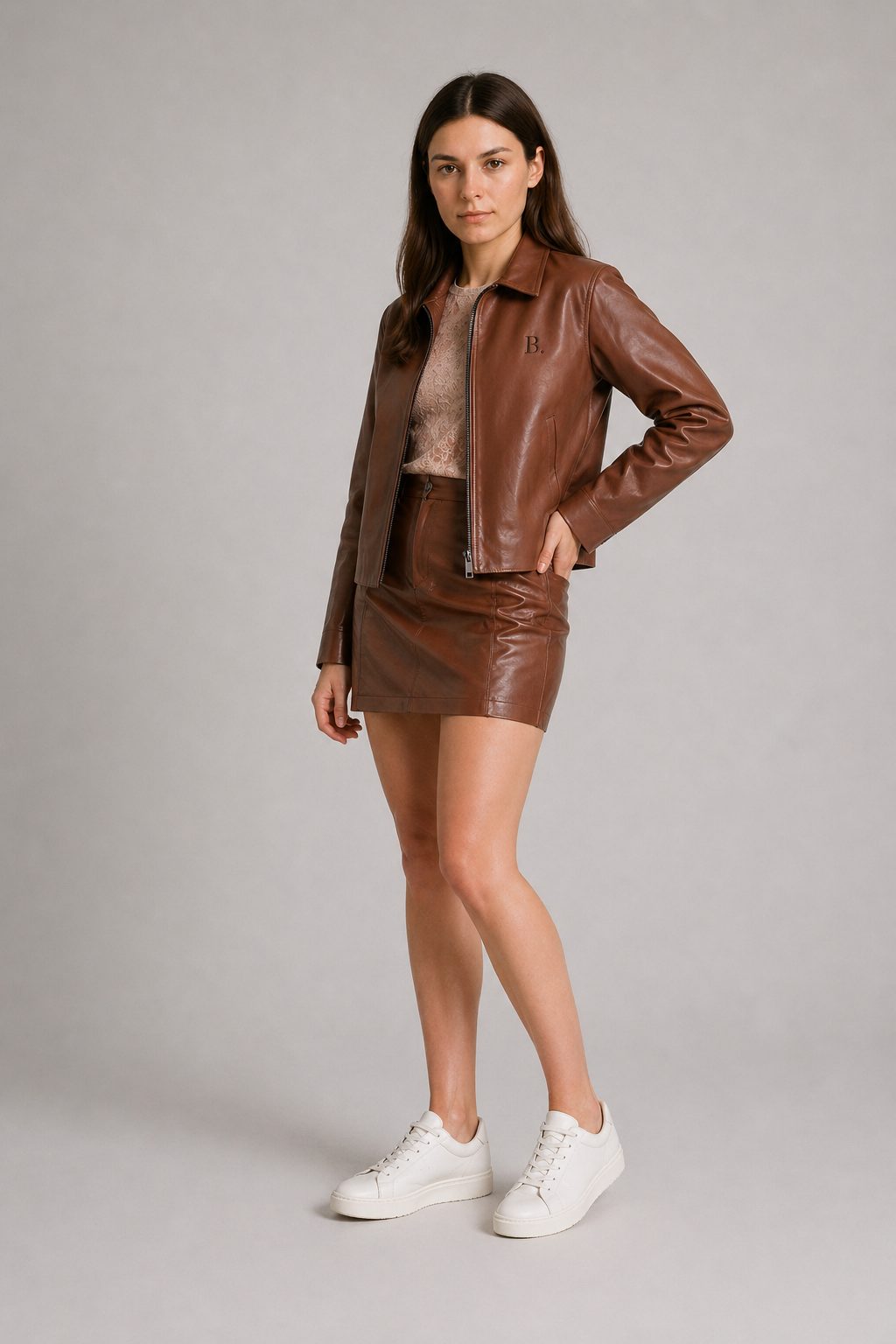
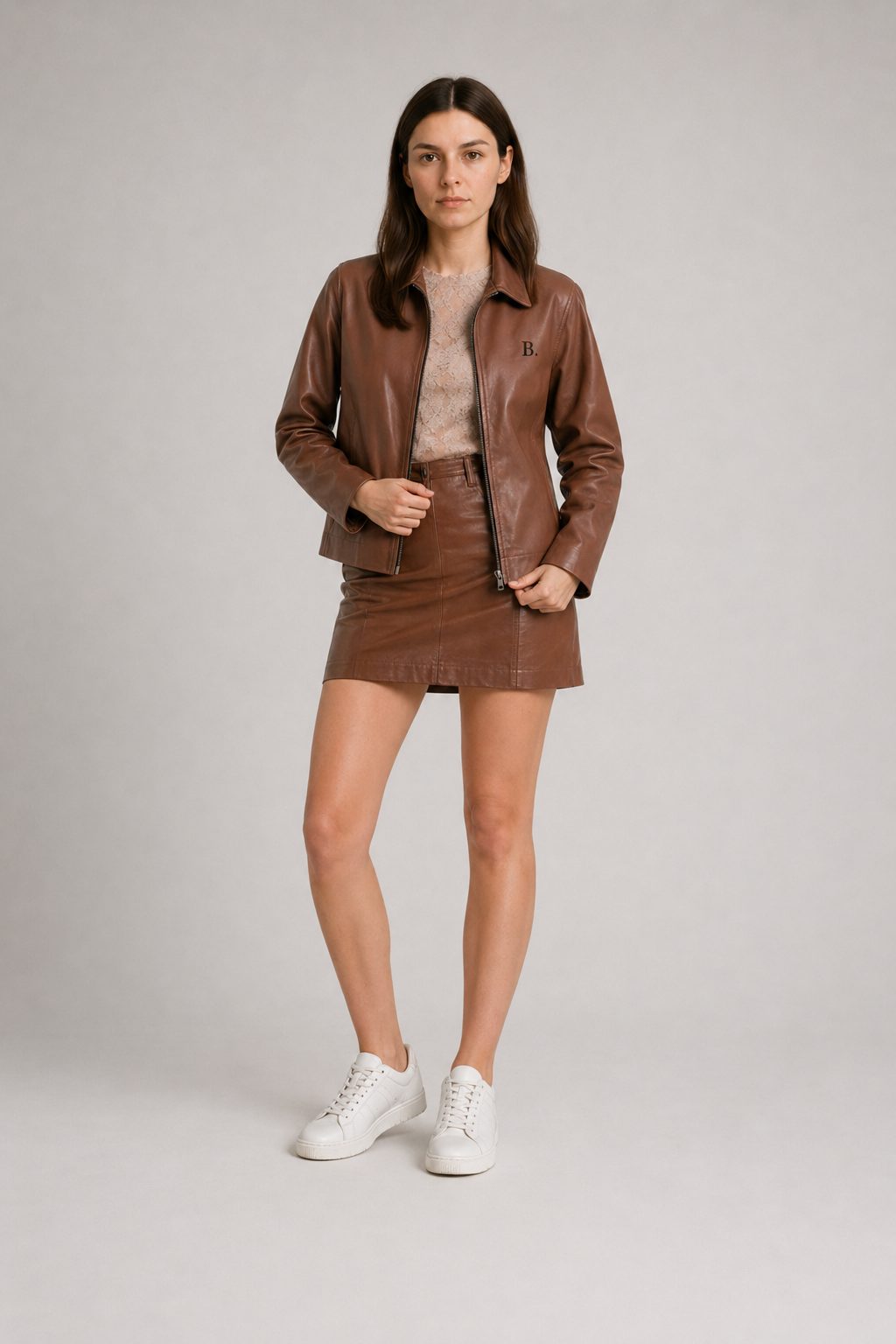
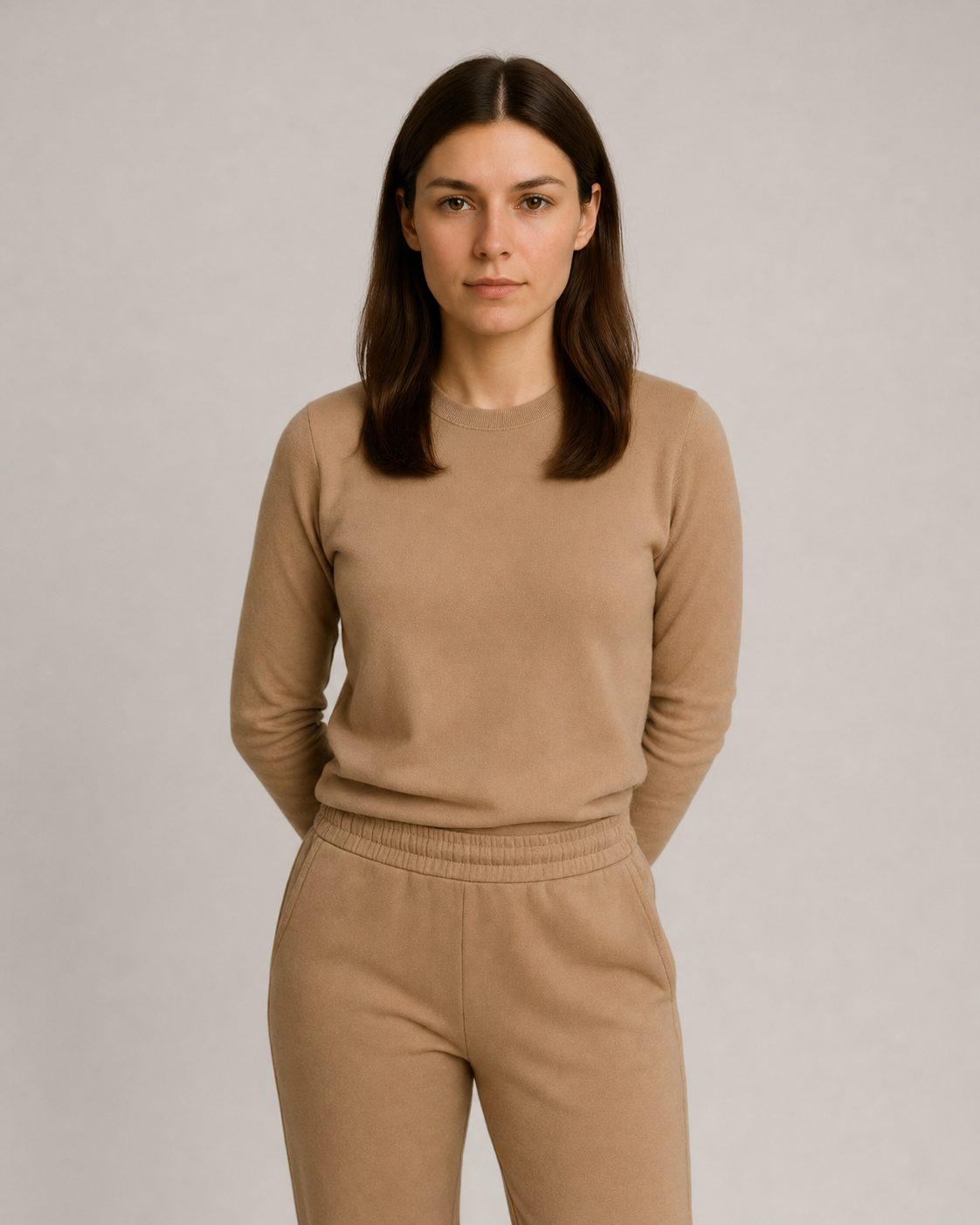
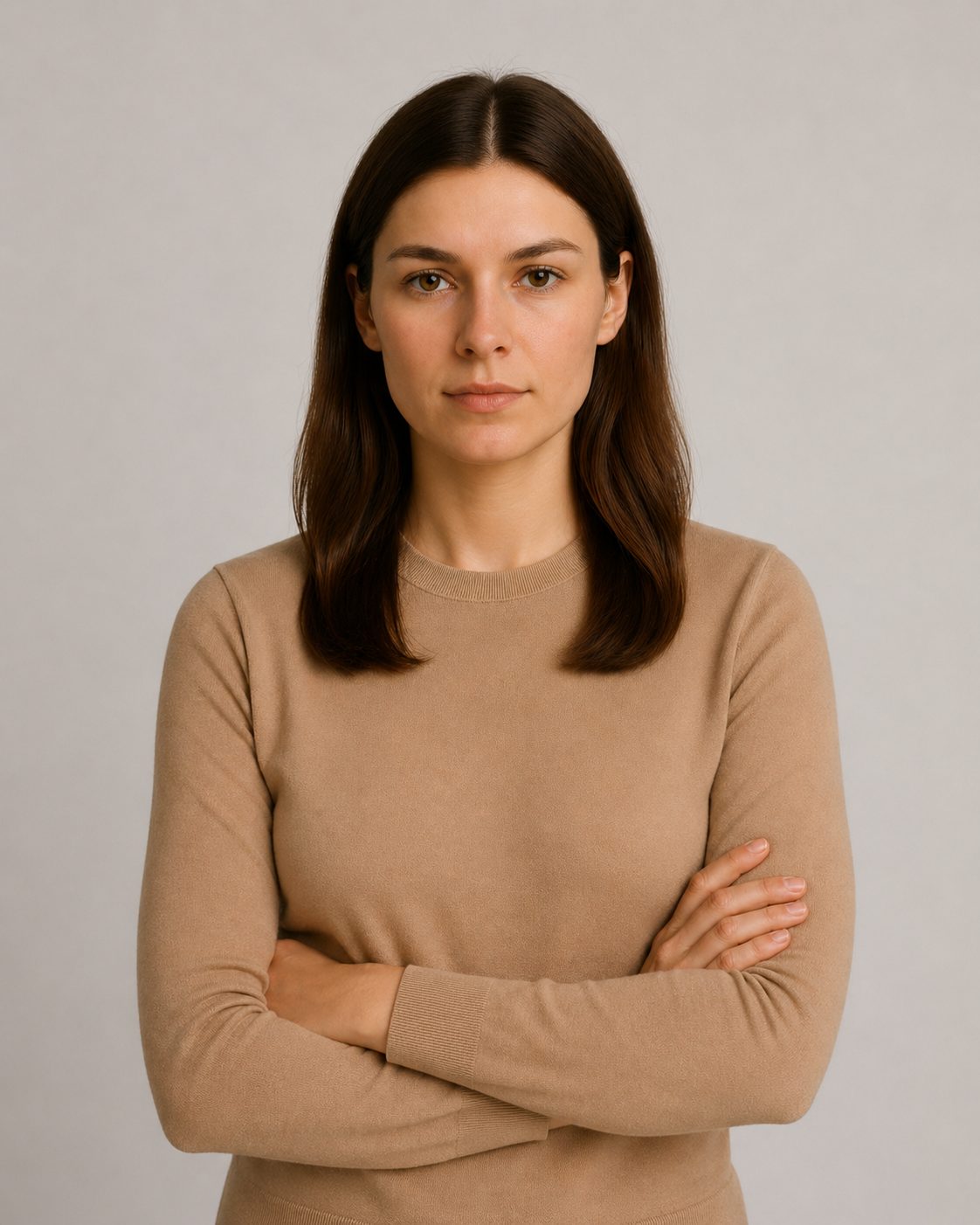
What appears at first glance to be a minimalist studio portrait session is, in reality, the beginning of a much larger visual process in which photography becomes both raw material and experimental territory.
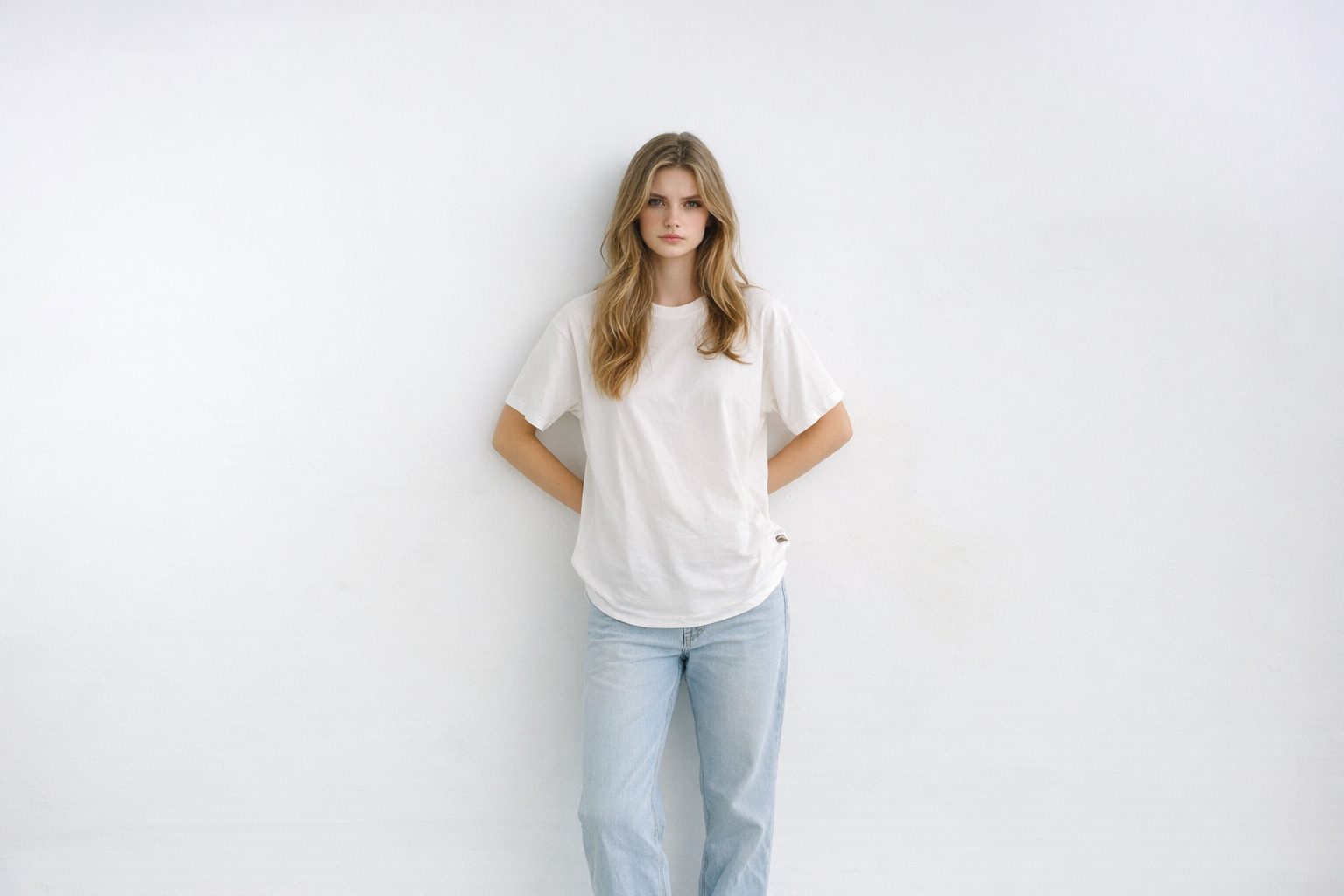
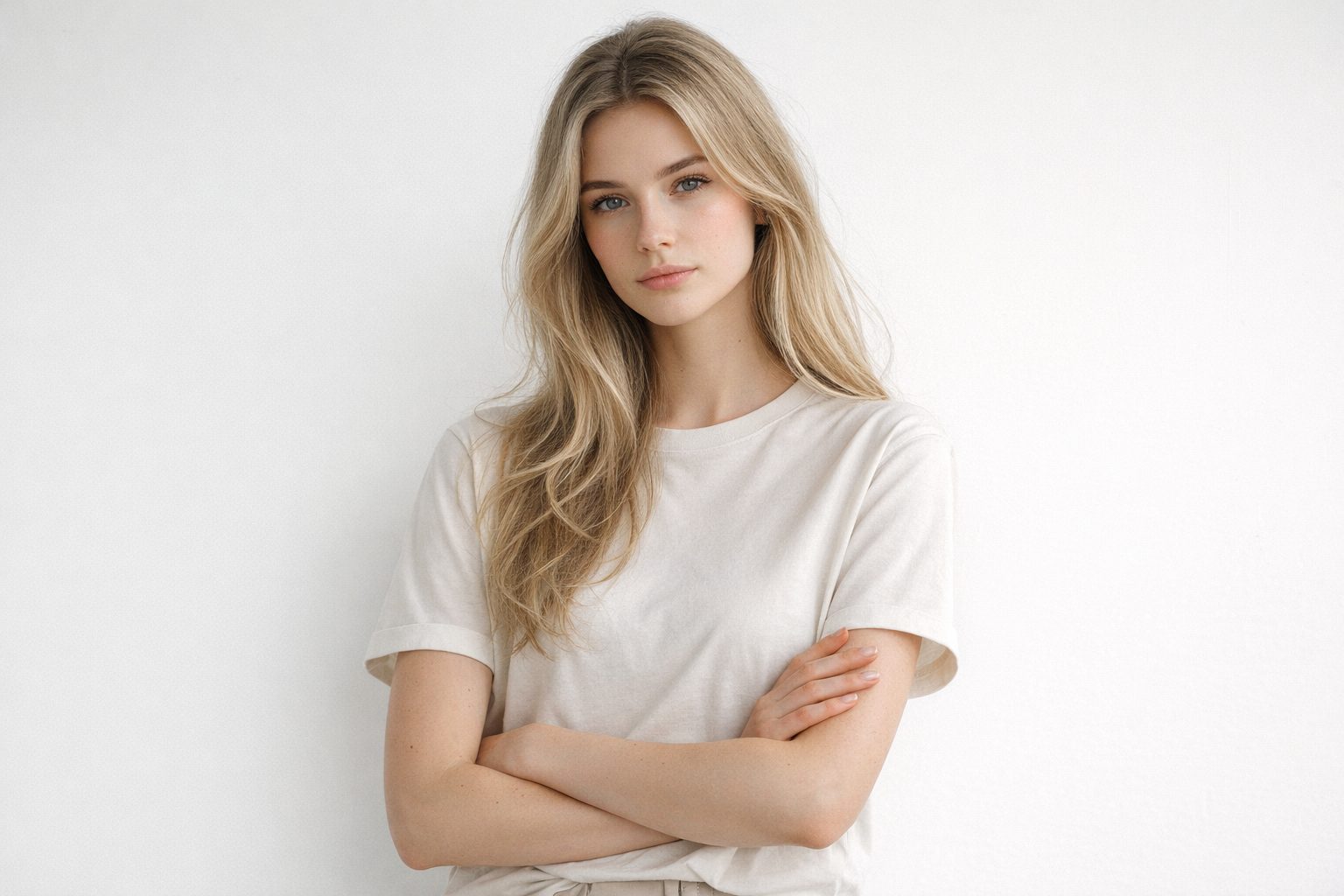
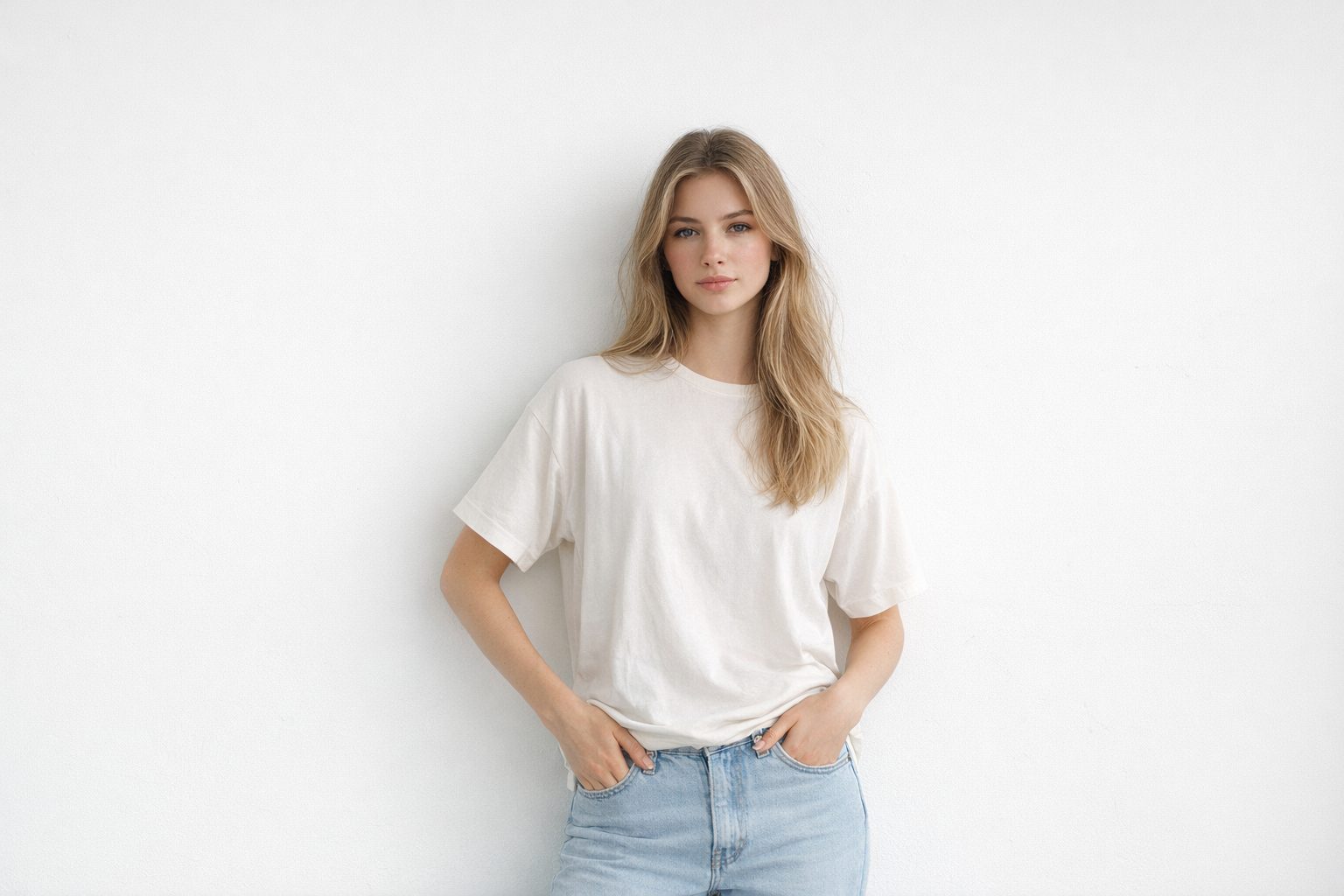
The neutral poses, the restrained styling, the soft gradients of light and the deliberately reduced chromatic palette are not accidental aesthetic choices; they are part of a controlled photographic language designed to produce images that remain emotionally believable while also being technically exploitable inside our AI workflow developed around ai.bmodel.ch. Every frame is captured with the intention of preserving authentic skin texture, natural facial asymmetry, realistic fabric behavior and subtle optical imperfections, because these elements become essential once the image enters what we describe internally as a “cycle of modification,” a progressive chain of AI-driven reinterpretations in which the original photograph is continuously analyzed, enhanced, transformed and re-evaluated through multiple generations of visual reconstruction.
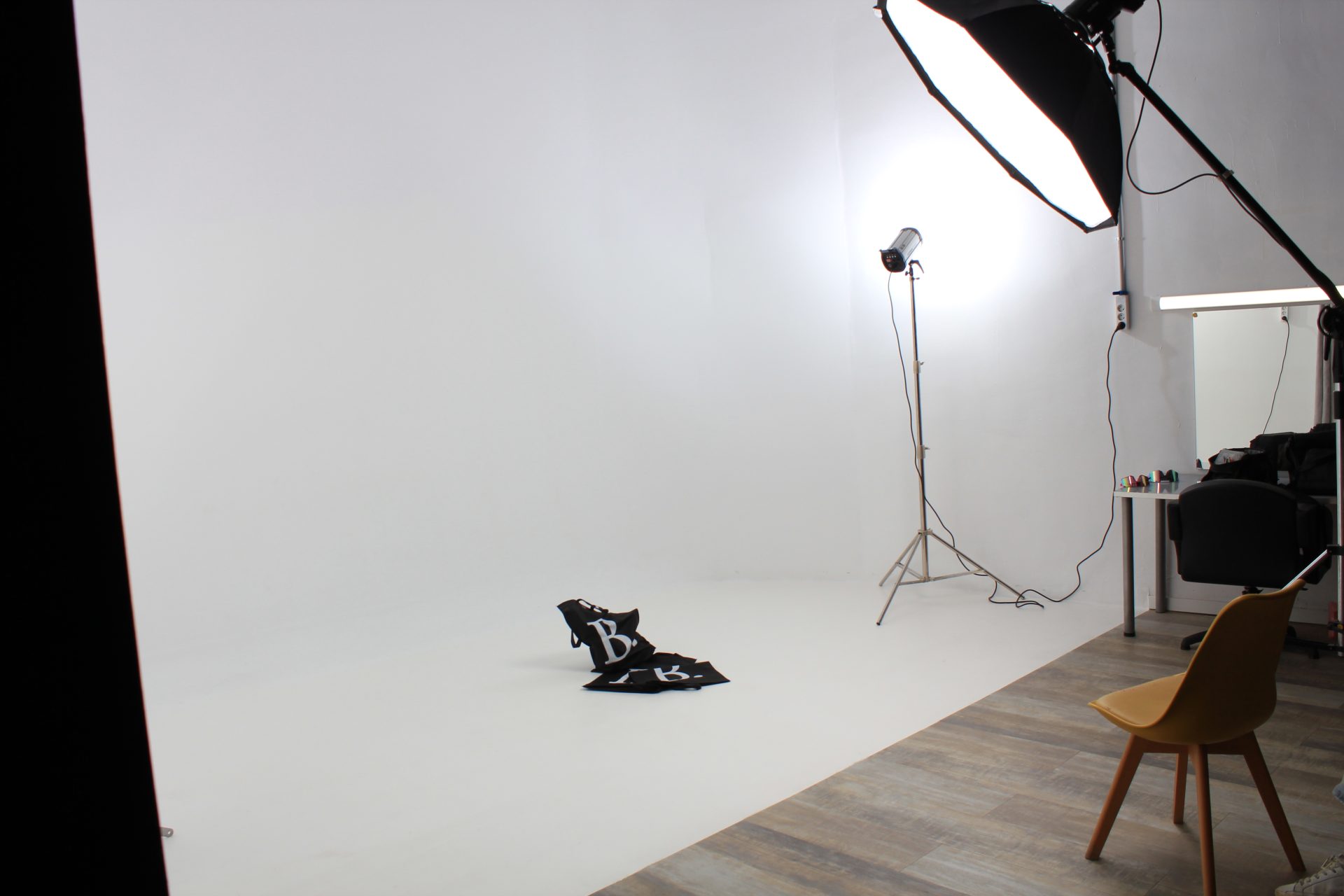
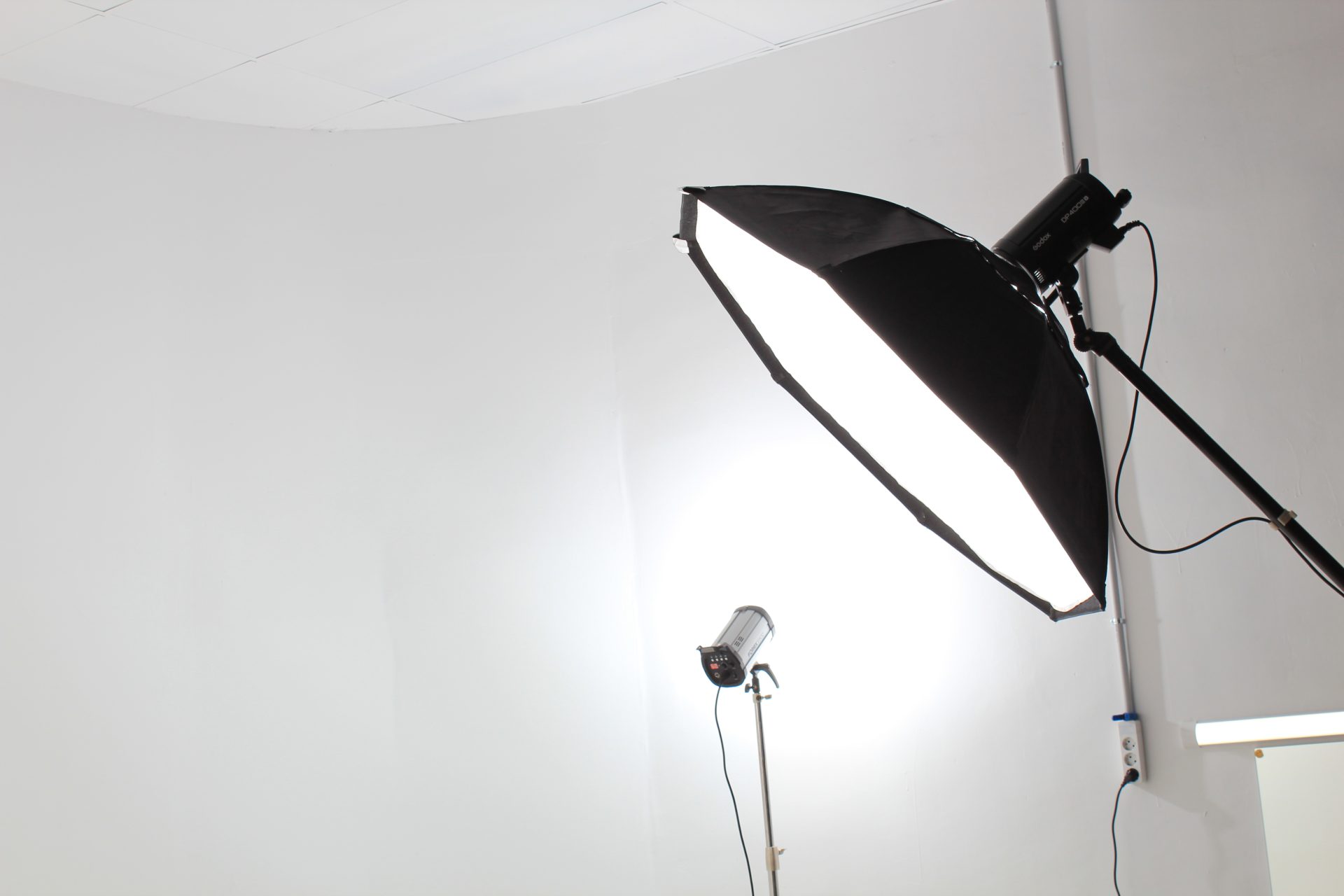
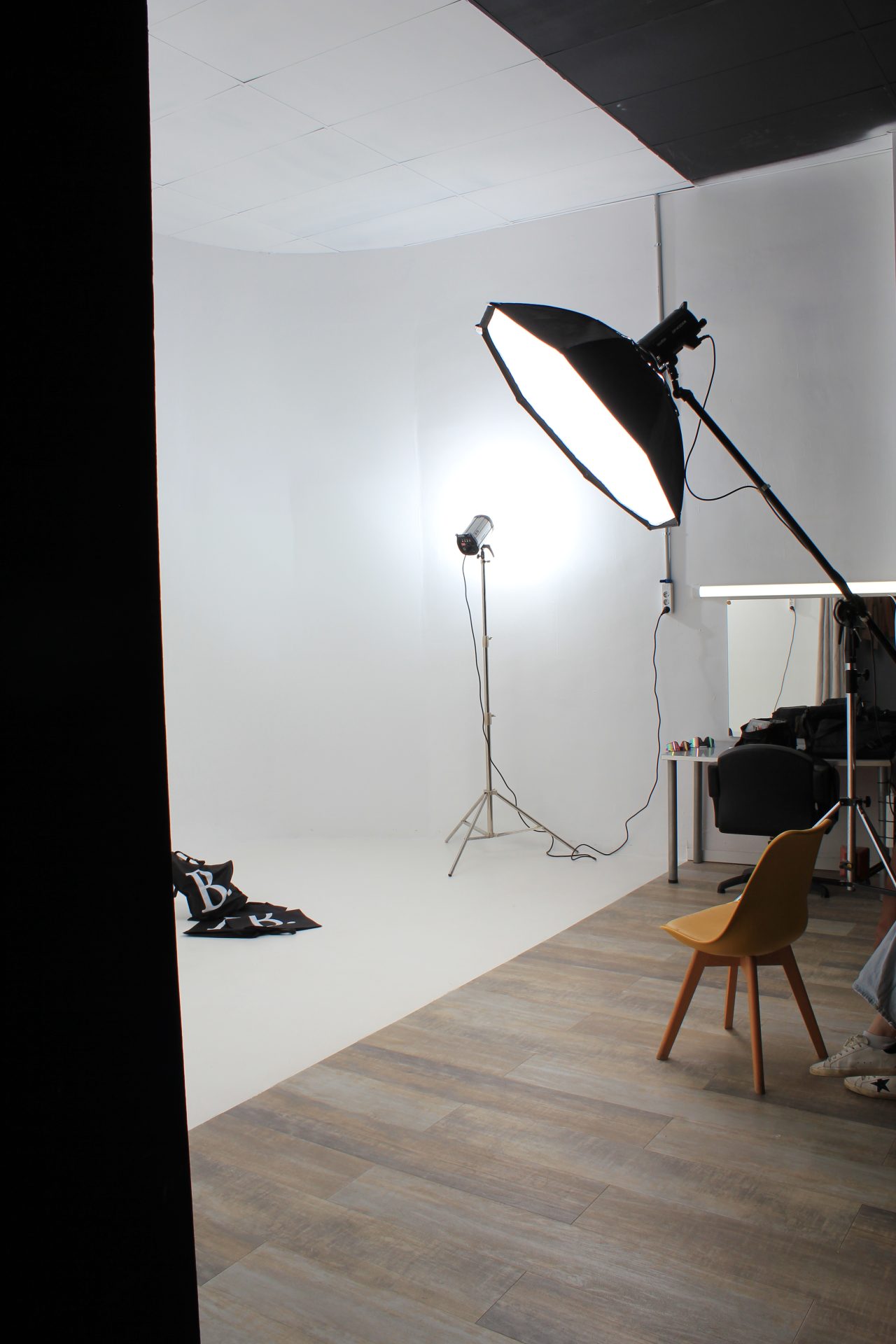
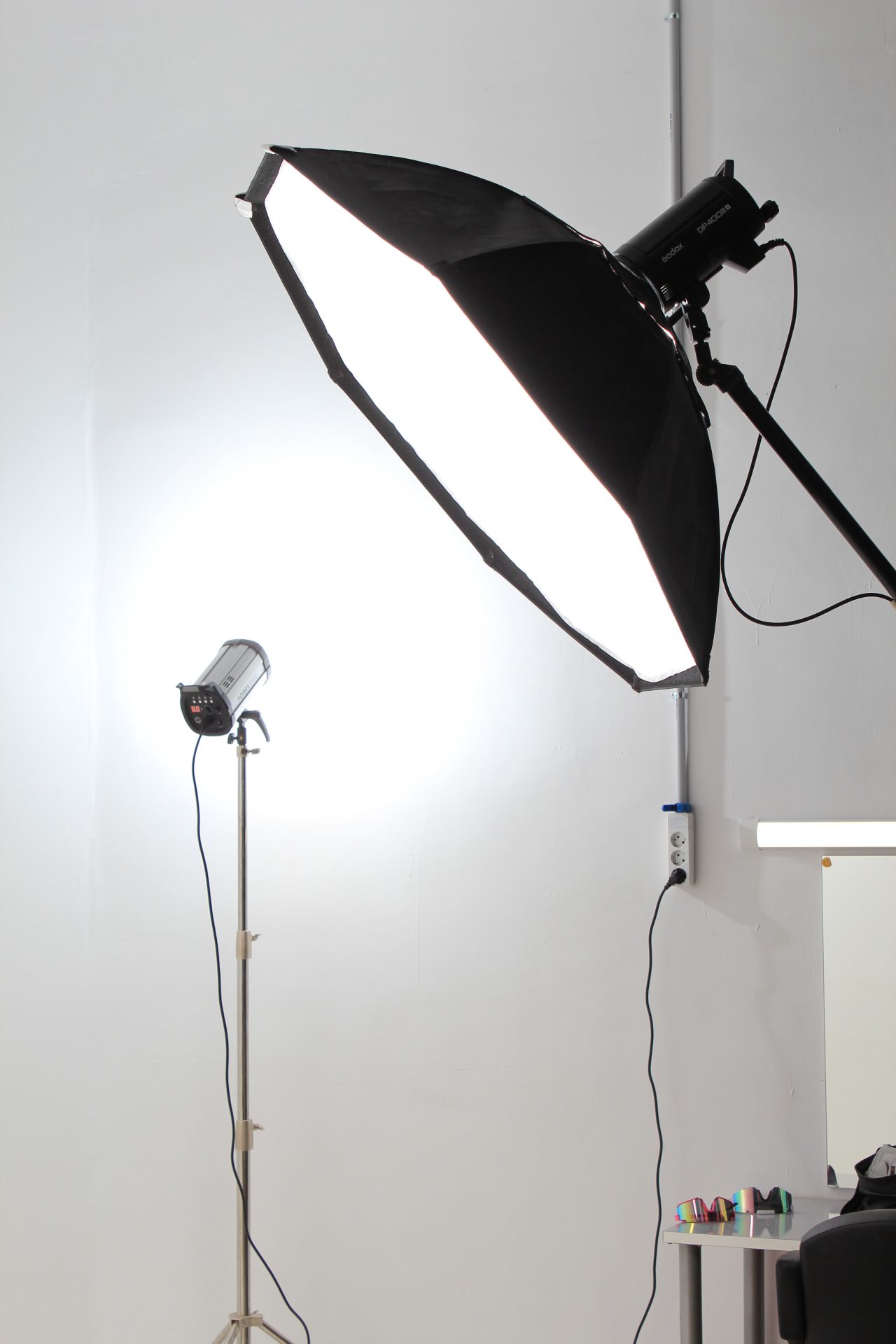
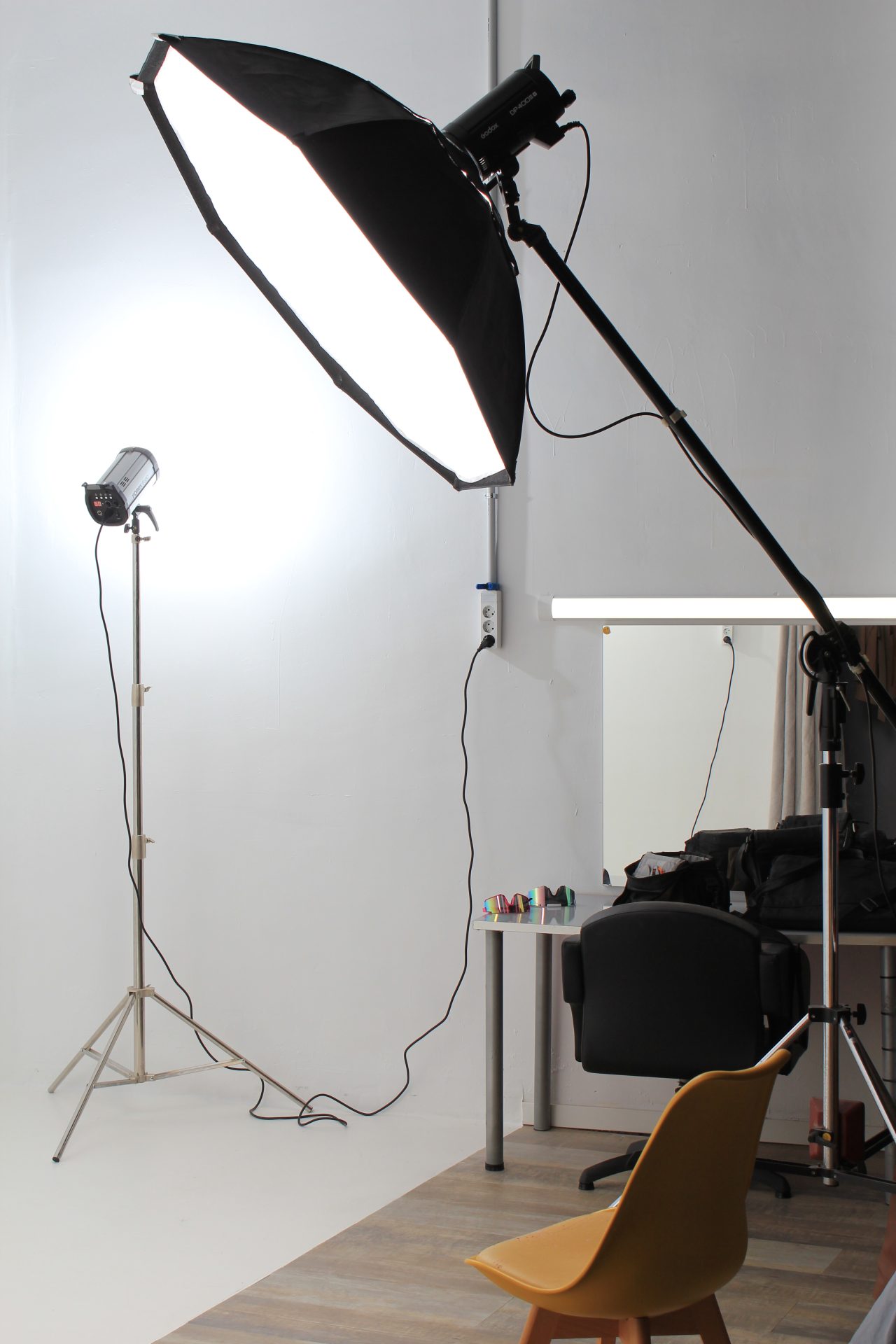
The first image therefore plays a crucial role. It is not simply a portrait intended for immediate publication, but a reference structure from which future visual possibilities can emerge. The lighting setup is intentionally soft and low in contrast in order to maintain maximum tonal information inside the skin and garments, allowing our systems to test how artificial intelligence reconstructs depth, preserves anatomy, interprets texture transitions and maintains identity consistency through successive enhancement stages. The apparent simplicity of the white cyclorama becomes highly valuable in this context because it isolates the human subject from visual noise and creates a clean environment for observing the behavior of our tools with precision. Even the repetition of poses serves a purpose: it allows us to compare how minute changes in posture, gaze direction or body tension influence the stability of AI-generated outputs and the coherence of synthetic reinterpretations.
What interests us is not the production of artificial perfection.
In fact, we deliberately avoid the hyper-smooth and emotionally empty aesthetic that dominates much generative imagery today.
Instead, the objective is to create a dialogue between photography and machine intelligence, where the camera remains fundamental because it captures the complexity of real human presence — the irregularity of skin, the unpredictability of expression, the softness of natural movement and the emotional density contained inside a genuine portrait.
AI then becomes an extension of the photographic act rather than a replacement for it.
It allows us to explore alternate renderings, future campaigns, stylistic transformations and advanced visual concepts while remaining anchored to something physically real and optically credible.
These sessions are therefore simultaneously artistic, commercial and experimental.
They produce images that can function as fashion portraits or casting material, but they also generate carefully structured datasets used to test the limits of our own visual systems.
Each shoot contributes to a broader research process in which we study how human photography can evolve alongside artificial intelligence without losing its emotional truth, its tactile realism or its fundamentally human character.